


TBP – Phoebe Garfinkel: Why Do Clear Expectations Improve Management Success?

The role of managers is changing quickly. Businesses face fast market shifts, new working methods, and rising employee expectations.
Many people move into management because they succeed in their previous jobs, but leading a team requires different skills.
Suddenly, they must guide performance, set direction, and handle sensitive conversations. Without support, this step can feel overwhelming and stressful.
Organisations now see that helping managers grow the right skills is essential to improve management and build strong workplaces.
Phoebe Garfinkel, Head of HR at AstraZeneca, shares her insight on this challenge. She has led talent and development for AstraZeneca’s Biopharma division and worked there for five years.
She is also an accredited executive coach who encourages a coaching mindset and feedforward to strengthen performance and handle tough conversations. Her path into leadership is not traditional.
She studied poetry, worked in agricultural food systems, and earned an MPA from Cornell focused on behavioural economics and negotiation.
She then moved into consulting and organisational development, advising leaders at more than 20 organisations on recruitment, retention, and team performance before joining AstraZeneca.
This article will explore how managers can build the skills they need. You will learn why training matters, how coaching supports growth, and how peer learning creates confidence.
We will also look at what smaller organisations can do to shape effective management through simple but powerful practices.
Stepping into a leadership role often feels like entering a new world. Many become managers because they did well in their previous job, but the skills that made them successful there are not the same ones needed to lead a team.
Suddenly, they face new tasks like guiding performance, shaping culture, and handling administrative work. Without training, this change can feel overwhelming.

Image Credits: Photo by Antoni Shkraba Studio on Pexels
Most new managers are unprepared for what comes next. They must balance leading people, setting direction, and maintaining day-to-day operations.
At the same time, they still carry the pressure of meeting business goals. This mix of responsibility often causes stress and confusion, especially when no clear roadmap exists.
There is no single program that turns someone into a great leader. Instead, growth depends on three core factors:
Investing in leadership skills benefits both managers and organisations. Strong managers create a positive culture, help employees perform better, and reduce turnover. At the same time, managers enjoy their work more when they feel capable and confident.
Their jobs become less stressful and more rewarding. In the end, leadership growth is not about finding a perfect course. It is about setting clear expectations, connecting development to real benefits, and leading with values daily.
Good management is not just about tasks and deadlines. It is about building trust, guiding growth, and helping people succeed. Coaching and feedforward are central to this.
Coaching helps managers support employees through questions and guidance, while feedforward focuses on clear, future actions instead of past mistakes.

Image Credits: Photo by Anna Shvets on Pexels
Managers often step into their role without proper preparation. To perform well, they need clear support.
Effective training should:
Regular refreshers keep these skills useful and relevant over time.
Training alone is not enough. Leaders at the top must set the tone and model the same behaviour they expect from others. Employees will copy what they see if senior leaders say one thing but act differently. A culture of coaching and forward-looking feedback must be reinforced at every daily level.
Coaching works best when it becomes part of the whole system. This includes:
Not every conversation should be a coaching session. Managers must know when to coach and when to give direct instructions. A short, clear direction can save time and prevent mistakes.
However, coaching builds long-term growth and trust. The right balance ensures both immediate results and lasting progress.
Managers carry a tough responsibility. They must guide performance, build trust, and handle conversations that are not always easy.
Many believe they do well, yet employees leave confused or dissatisfied. To address this, organisations highlight the “moments that matter.”
These are times when clarity is critical, such as performance reviews, end-of-year rewards, or correcting underperformance. Clear, honest feedback is far kinder than vague words, even when difficult.

Image Credits: Photo by Tiger Lily on Pexels
Managers improve faster when they share. Peer forums give space to discuss challenges, swap solutions, and build confidence.
These sessions also create networks that last beyond the training itself. Managers feel less isolated and more supported as they practice a coaching mindset together.
Structured programs help managers apply coaching in their daily work. Two common examples are:
Both run for several months and mix online learning with group practice. Many participants continue supporting each other long after the programs end, turning short-term groups into lasting communities.
Development works best when it fits individual needs. Managers should have a clear menu of choices. They can select the skills they want to strengthen and the best online, in-person, or live virtual format.
Core areas usually include coaching, communication, difficult conversations, and sharing information clearly. Just as important are human skills like empathy, listening, and authenticity.
When managers combine clarity, peer learning, and flexible training, they grow their abilities and build stronger teams and healthier workplaces.
Smaller organisations may not have big budgets for training, but strong management still matters. What makes the biggest difference is how managers handle the “moments that matter.” These are the situations where clarity and direction shape how employees feel and perform.
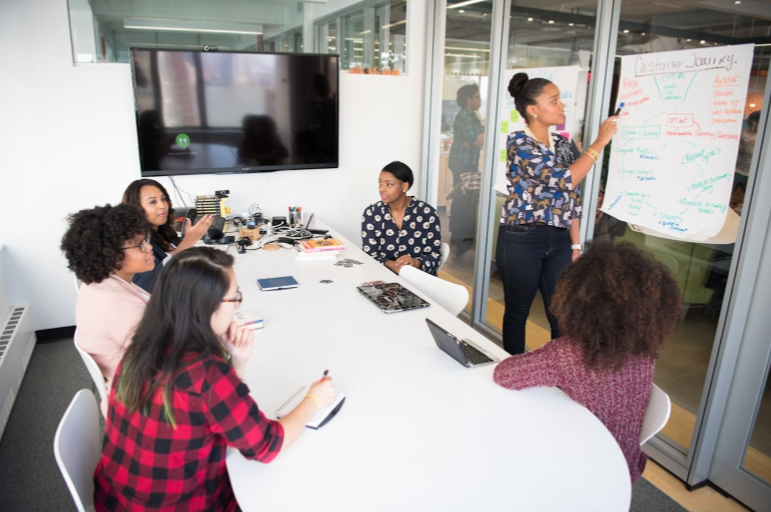
Image Credits: Photo by Christina Morillo on Pexels
Hiring is one of the most critical responsibilities. How a manager welcomes a new employee, especially in the first 90 days, sets the tone for their entire experience. Clear goals are just as important.
Without them, employees lose focus, and managers cannot measure performance fairly. Pay and promotion decisions also require openness. These conversations are not always easy, but avoiding them creates mistrust.
Managers should be ready to explain:
Clarity in these areas prevents frustration and builds trust.
Well-being is another area that managers cannot ignore. They are not expected to act as counsellors, but they should notice when something is wrong. Spotting signs early and guiding employees to proper support protects the employee and the manager.
Coaching does not need to be costly or complex. Even small teams can benefit from simple practices. Giving managers thoughtful questions and encouraging active listening is enough to build stronger habits.
For example, asking, “How do you think that went?” after a project opens space for reflection and alignment.
Smaller organisations thrive when managers focus on clarity, fairness, and open communication. Getting these basics right creates stronger teams without needing heavy resources.
Good management grows through clear guidance, steady coaching, and values shown in daily actions. Managers need training, feedback, and support, but culture makes the biggest difference. When leaders model the right behaviour, managers follow with confidence.
Moreover, growth should not stop after one course. Managers improve most when they practice skills often, receive honest feedback, and share with peers. This creates trust and builds teams that perform well and enjoy their work.
That said, both large and small organisations can see results by focusing on the basics. Clear expectations, fair decisions, and simple coaching habits reduce stress and build stronger teams. These steps make managers more capable and employees more engaged.
Ultimately, the best way to improve management is to focus on clarity, consistency, and respect. When managers thrive, employees thrive, and organisations become stronger and more successful.
Digital tools make it easier to track performance, share updates, and manage tasks. They also support remote teams by keeping communication clear and timely.
Emotional intelligence helps managers understand people better. It allows them to handle conflict calmly and build stronger trust with employees.
Managers who use their time well set priorities and avoid overload. This keeps them focused on guiding people instead of chasing tasks.
Clear, simple communication avoids confusion and reduces mistakes. It also builds respect and ensures everyone understands goals.
Recognising effort motivates employees and builds loyalty. Even a small appreciation helps people feel valued and improves performance.
Leader Prompts - enable your leaders with these 50 practical and straight-forward mini-guides to handling common management challenges.
For the less than the price of a coffee a week you can read over 650 summaries of research that cost universities over $1 billion to produce.
Use our Ideas to:
Speak to us on how else you can leverage this content to benefit your organization. info@ideasforleaders.com