


TPB – Dr Jacqueline Conway: What Makes Leadership Development Vital in Uncertain Times?
Organizations everywhere face constant change. Politics, new technology, shifting economies, and the climate crisis shape daily work. For leaders, this pressure does not pause.
Senior executives must guide through uncertainty, while managers and teams try to carry out plans that often change quickly.
Many leaders admit they feel stretched by the speed and scale of these demands. The real question is no longer if disruption will come, but how leaders prepare for it. That makes leadership development a vital topic today.
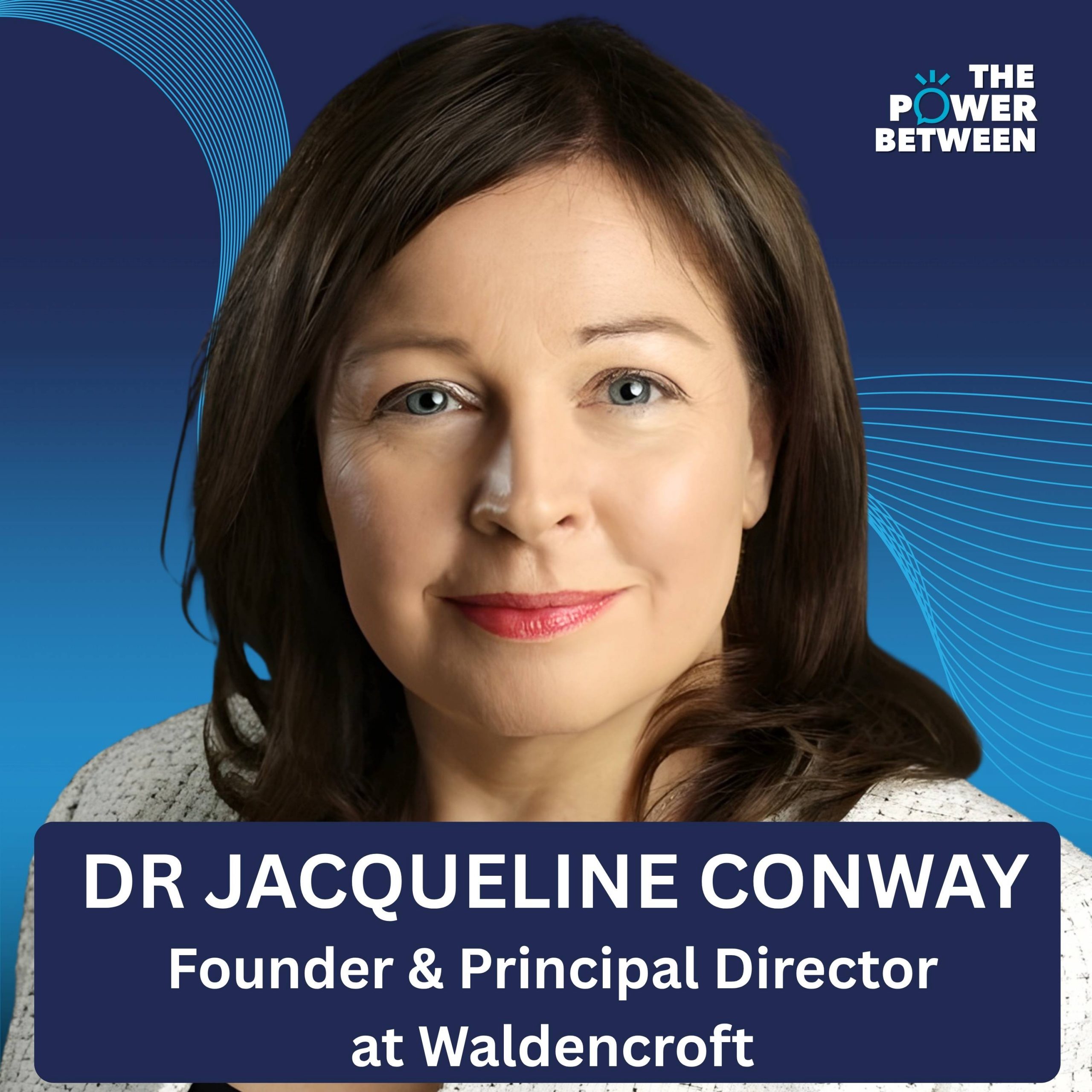
Dr Jacqueline Conway, Founder and Principal Director of Waldencroft, has focused her work on this challenge. She coaches senior leaders and top teams and holds a doctorate in top team groups.
Her study, The Executive Readiness Gap, drew insights from 40 Chief People Officers in the UK and abroad. Executives often lack three kinds of readiness: cognitive, relational, and developmental.
To address this, she advances collective enterprise leadership, where the C-suite leads as one team. Her approach combines team coaching, foresight, scenario planning, and ethical decision tools. She helps leaders build psychological safety and develop anticipatory skills to prepare before shocks arrive.
In this article, we will look at the gaps that hold leaders back. We will explore why traditional training often falls short, what effective development looks like in practice, and how leadership roles shift across levels.
Finally, we will see why balance, trust, and shared responsibility help organizations grow stronger in uncertain times.
Disruption is now a normal part of work life. Politics, fast-changing technology, economic shifts, and the climate crisis bring constant pressure. Leaders at the top face these changes daily, and many admit they feel overwhelmed by the speed and scale of it all.

Image Credits: Photo by Pavel Danilyuk on Pexels
Research with senior HR leaders showed that executives face three big gaps.
Most leaders rise in their careers because of strong technical or functional skills. Training usually supports these strengths. Later, leadership programs often take leaders out of the workplace for courses and workshops.
Some of these experiences leave a lasting mark, but they stop working well at the C-suite level. At this stage, many leaders think they are finished with learning. When senior leadership demands a team effort, growth also remains focused on individuals.
To close the gap, leadership growth needs a new shape. It should bring the executive team together, not just build individuals. It must also happen in the real world, while leaders face live problems, not only in classrooms or hotels.
Most importantly, support should be real-time, helping leaders apply new approaches as challenges appear. This way, leaders build stronger capacity to handle disruption and share responsibility across the team.
Coaching plays a key part in leadership growth, but it is not enough. Senior teams gain from team coaching, where someone outside the group observes meetings and helps them reflect on how they work together.
This support frees leaders to focus on decisions rather than trying to manage both the process and the discussion.

Image Credits: Photo by cottonbro studio on Pexels
Coaching builds awareness, but teams also need other forms of growth. Episodic development is one example. It focuses on specific challenges leaders face in real time.
This way, they build new skills while solving problems instead of working with abstract examples.
Many leaders feel stuck reacting to constant change. New issues keep appearing, leaving them stressed and drained. Anticipatory leadership helps break this cycle.
By scanning for weak signals and planning different scenarios, teams prepare before problems hit. This reduces stress and builds confidence when the unexpected happens.
Strong development includes several elements:
Together, these methods help leaders stay calm in uncertainty and make stronger choices as a group.
Enterprise leadership sits at the top of the organization. Executives must shift their focus from day-to-day delivery to guiding the organization into the future.
Middle managers and front-line leaders still play a vital role by spotting changes early. However, the responsibility for long-term direction rests with senior leaders.
As leaders move through an organization, their roles change in four ways. These shifts define what is expected at each stage.

Image Credits: Photo by Tima Miroshnichenko on Pexels
Every level works with a different time frame.
Clear time horizons help leaders know where to place their energy and attention.
At the front line, leaders stay close to the task. Their work directly impacts the service or product. As people move higher, they step back from doing the work themselves. Instead, they focus on guiding teams and shaping results.
Tasks at the entry level are usually simple and repeatable. Middle managers deal with competing priorities that demand judgment and coordination. Executives face the broadest challenges, where no single answer is obvious. Complexity grows with each step up, and leaders must grow with it.
The higher the role, the greater the ethical weight.
Ethical awareness becomes central for senior leaders, as their choices reach far beyond the organization.
Many organizations cut the middle layer during difficult times, but this layer plays a vital role. Middle managers spot early signs of change and connect front-line knowledge with executive vision. Without them, organizations lose stability and key insight.
Strong organizations set clear expectations for each level and give leaders the authority to act. This clarity keeps the system balanced and ready for future risks.
One of the hardest parts of leadership is knowing how much responsibility to give others. People feel more engaged when they see why their work matters and when they have some choice in how to do it.
But if leaders hand over too much without clarity, things can quickly become messy. The real goal is balance, giving the right amount of responsibility at the right level.

Image Credits: Photo by cottonbro studio on Pexels
Many senior leaders hold on too tightly to their functional roles. A finance head may still sign off on every account, or a people leader may still manage HR in detail. Oversight is important, but leadership at the top should be about guiding, not doing.
Two main reasons keep leaders stuck:
When leaders let go, others can rise. Directors and managers then step fully into their jobs, and the system lifts.
When senior leaders refuse to release control, growth below them stalls. Talented people often hit a ceiling and become frustrated when executives micromanage. This creates a ripple effect that slows the whole organization. On the other hand, when top teams embrace collective leadership, they create space for others to step up and bring their full capacity.
Letting go requires trust. Teams must feel safe to raise concerns, share ideas, and try new approaches. Where leaders build psychological safety, people take responsibility with confidence and energy.
Strong leadership starts at the top. When executives stop holding too tightly and instead trust their teams, the organization grows stronger at every level.
Leadership today is complex, but the path forward is clear. Strong leaders do not stand alone. They work as a team, share responsibility, and prepare for change before it arrives. This approach helps them face disruption with less stress and more confidence.
Moreover, growth should not stop once someone reaches the top. Leaders need continued support that goes beyond technical skill.
Real progress happens when development occurs inside the organization, during real challenges, and with the whole team involved. Coaching, foresight, and ethical awareness all help leaders act wisely and plan.
Every level of leadership also has its own role. Front-line staff handle daily tasks, middle managers connect insight to strategy, and executives guide the long-term future. Each layer matters, but executives must learn to let go of control and create space for others to grow.
The entire organization benefits when they trust their teams and build psychological safety. That said, balance remains vital. Leaders should give people enough freedom to act while offering clear direction. Without that balance, talent is wasted and progress slows.
Effective leadership development ensures leaders grow with their roles, build trust, and guide their organizations toward a stronger future.
Leadership Development equips leaders with the mindset and skills to stay calm and effective when change feels constant. It helps them make better choices under pressure and confidently guide their teams.
When leaders grow, they create space for others to grow, too. Employees feel valued when their leaders trust them, increasing motivation and commitment.
Yes. Leaders who learn to manage uncertainty encourage teams to share new ideas without fear. This openness allows organizations to adapt faster and innovate in practical ways.
Some leaders believe they are “done” once they reach senior levels. Others avoid it because it pushes them into uncertain areas where they feel less secure.
Senior decisions carry major consequences. Development builds awareness so leaders can spot ethical risks early and act with integrity.
Leader Prompts - enable your leaders with these 50 practical and straight-forward mini-guides to handling common management challenges.
For the less than the price of a coffee a week you can read over 650 summaries of research that cost universities over $1 billion to produce.
Use our Ideas to:
Speak to us on how else you can leverage this content to benefit your organization. info@ideasforleaders.com