


TPB – Eleanor Ford: What Keeps Culture at Work Steady During Constant Change
Work is constantly changing, and many people feel the impact of this shift in their daily routines. Teams grow, roles stretch, and new tools shape how we think and work together. With all this movement, one question keeps coming up.
How do we create workplaces that feel steady, human, and supportive while everything around us is in constant flux? That question sits at the heart of Culture at Work, because culture forms in the small moments that shape how people treat each other and how they show up each day.
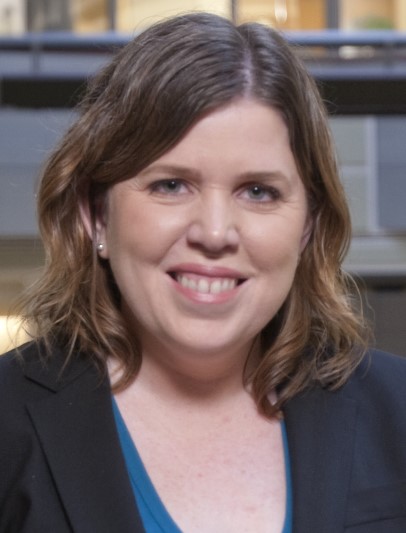
Eleanor Ford offers a sharp and grounded view on this. She is the Chief People Officer at Zinc in London, where she supports founders who work on missions that improve health for people and the planet. Eleanor is also the Co-Founder of The Point People Ltd.
She began as an anthropologist, which taught her to look closely at human behaviour and the stories that guide people. She later moved into filmmaking and built her first startup with no prior experience.
She scaled it, sold it to the Time Out Group plc, and spent years leading innovation within the company. She then worked with major UK charities through The Good Lab before joining Zinc.
She now leads Inflection, a programme that helps mid-career professionals rethink their direction and grow their impact without leaving their current roles. Her career demonstrates a consistent focus on people and the work that brings them meaning.
In this article, we’ll examine how anthropology influences modern work, why human needs remain central in rapidly changing systems, how strong cultures evolve and adapt, and how Inflection supports individuals seeking greater purpose and clarity in their careers.
Anthropology provides a useful way to understand people, their behavior, and group life. It teaches you to look closely at how people act, what shapes their choices, and how culture guides daily moments. This view fits well in work settings because every organisation is simply people trying to do things together.
Image Credits: Photo by Christina Morillo on Pexels
Anthropology builds a habit of asking why things work the way they do. You learn to question norms and compare different ways of living. That helps you see what changes in work and what stays the same.
Human needs stay steady. People want meaning, safety, trust, and fair treatment. Work structures shift fast, but these needs don’t.
Empathy sits at the heart of this field. You learn to step into someone else’s world and see their view. This skill enables you to lead teams, guide talent, and design more effective work systems. It also helps you avoid quick assumptions that often cause tension.
Pattern spotting is another strong tool. You learn to pull together small signs and make sense of what’s going on. This helps leaders understand problems early and respond with clarity.
Modern work is fast and often stressful. People still think and feel in simple human ways. When leaders understand this, they shape teams that work with ease instead of struggle. They observe how group habits form and how small behavioral shifts can alter the entire mood of a team.
Good cultures grow when people feel safe, seen, and trusted. Without these basics, ideas stagnate, and teams lose momentum.
A useful guide for building a strong culture includes three parts.
This mix helps people work well together and supports healthy, creative teams.
Culture forms easily in a small team. People talk often, share space, and pick up cues without effort. Growth changes that rhythm. New hires join, tasks are distributed, and early habits begin to loosen. That’s why leaders need a clear way to keep the heart of the culture strong as the team expands.

Image Credits: Photo by Christina Morillo on Pexels
Every organization carries the values of its founders. Their mindset influences how people think, act, and decide. As the team grows, leaders need to:
Values matter only when they are reflected in real behavior. They must guide hiring, teamwork, and choices that shape the work. The “even over” method helps here.
It sets a simple priority when two good things compete. For instance, a team might choose team impact even over individual success. This provides people with a clear guide during difficult decisions.
Culture remains healthy when people embody it in their daily behavior. That means leaders must explain what each value looks like in practice. It helps new hires settle in faster and keeps everyone aligned.
Growth often brings tension, so clear behaviour standards reduce confusion and help teams move with more ease. Moreover, these habits strengthen trust, which becomes increasingly important as teams grow larger.
Mission-focused groups bring together people from diverse fields to tackle significant issues such as health, climate change, or social well-being. These teams form fast and often work under pressure.
Clear values help them:
That said, strong values also give people a sense of direction when everything feels new.
Healthy organizations treat people as the base of all progress. They create time and space for reflection, learning, and honest thinking about next steps. When people feel supported and clear about expectations, the organization grows with more stability, purpose, and energy.
Inflection provides a clear and steady approach for individuals to reassess their next professional step without making drastic changes all at once.
Many reach a point where their work feels constricted or limited, and they want to utilize their skills with greater purpose. Inflection provides them with structure, support, and the opportunity to explore new options at a realistic pace.
Image Credits: Photo by Pavel Danilyuk on Pexels
The programme focuses on people in the middle stage of their careers. This stage spans a wide range, but the idea remains simple. It’s not for those just starting or those nearing the end of their working life.
It’s for individuals who have already developed strong skills and now want to apply them in a new way. They might come from consulting, academia, clinical work, policy, leadership roles, or past ventures.
What connects them is a shared need to open up possibilities and look beyond the limits of their current system.
Inflection runs as a part-time, 100-day programme. People join while maintaining their existing commitments, which keeps the pressure low and makes the process manageable. The structure blends reflection with action, allowing people to think clearly and then test their thinking in the real world.
Pods create a safe and energising space. Mid-career questions often feel heavy, and the people closest to us can hold fixed views of who we are. A fresh group helps break that pattern and brings new thinking and new links.
Mid-career often comes with family responsibilities, financial pressures, and demanding workloads. Change feels risky. Inflection reduces that risk by offering structure and pace.
People keep their current role while exploring new paths. They gain clarity, build confidence, and see that change can happen in steps rather than leaps.
Inflection stays open to many people, but it works best when someone reaches a point where they want real change. The focus sits on timing, purpose, and the ability to work honestly with others. When these pieces line up, the programme gives people a clear space to think, try new ideas, and build momentum.
Image Credits: Photo by Pavel Danilyuk on Pexels
Two things guide the selection:
The programme forms small groups that depend on trust. So participants need to show up ready to speak openly and handle challenges with respect.
People think more clearly when the room feels safe, so Inflection pays close attention to how each person supports the group. This balance of support and honest push creates steady progress.
Relevance sits at the center of this work. When people don’t feel relevant, they lose energy and direction. Inflection helps them reconnect with their skills and see where those skills still hold value.
This shift often brings back a sense of agency and shows paths they hadn’t considered before. Moreover, it reminds people that change can grow from small steps, not huge leaps.
The programme is still early. Around eighty people have taken part so far. Many walked away with greater clarity, new connections, and fresh career opportunities. The long-term plan is to keep the programme open, allowing people to join a pod when the timing feels right, rather than waiting for a fixed cycle.
Strong work cultures emerge when people understand what drives them and how they present themselves each day. Anthropology provides leaders with a clear way to identify these patterns, and programs like Inflection help people act on what they learn.
When both come together, teams think with more focus and work with less friction. Work keeps changing fast, but people don’t. We still want meaning, trust, and a sense that our work matters. When those needs feel ignored, motivation drops.
When they feel supported, people share ideas with more ease and handle pressure with more strength. That’s why steady reflection matters. It helps you pause, make sense of things, and move forward with more clarity.
Mid-career often brings these questions to the surface. People often feel stuck or stretched and wonder if their skills still align with the future they envision. Inflection gives them space to test small steps without risking their whole path. It shows that change doesn’t need a grand plan. It can start with one honest thought or one new link.
Ultimately, Culture at Work improves when people feel relevant and supported. When organisations provide space for reflection, trust, and genuine human connection, they cultivate teams that remain grounded through change and grow with purpose.
Hybrid teams split time between home and office, so people miss small cues that shape trust. Leaders need clear habits, steady check-ins, and simple shared routines. These help the team feel connected even when they’re apart.
New tools transform the way people communicate, plan, and share ideas. This can help teams move faster, but it can also cause noise if not used well. Clear rules for communication help maintain calm and fairness.
Yes. Culture shifts through small actions that repeat often. A kind reply, a clear decision, or a fair process shapes the tone. Simple steps build stronger teams over time.
Remote workers require clear communication, equal access to information, and regular face-to-face interactions. When leaders give remote voices the same weight as in-person voices, inclusion grows, and trust rises.
Silence harms culture more than conflict. When people stop speaking up, small issues grow. Quick attention to concerns keeps the team healthy.
Leader Prompts - enable your leaders with these 50 practical and straight-forward mini-guides to handling common management challenges.
For the less than the price of a coffee a week you can read over 650 summaries of research that cost universities over $1 billion to produce.
Use our Ideas to:
Speak to us on how else you can leverage this content to benefit your organization. info@ideasforleaders.com