


TPB – Amand Arrowsmith: Why Does Organizational Development Matter for Changing Workplaces
Workplaces keep shifting, and people feel that change every day. Teams now face new expectations around balance, purpose, and performance, and leaders try to make sense of what that means for real work.
The pace can feel fast, but it also opens space for better habits and better conversations. This is where strong people practice matters. It helps organizations join strategy with daily behaviour, so people understand what they’re working toward and why it counts.
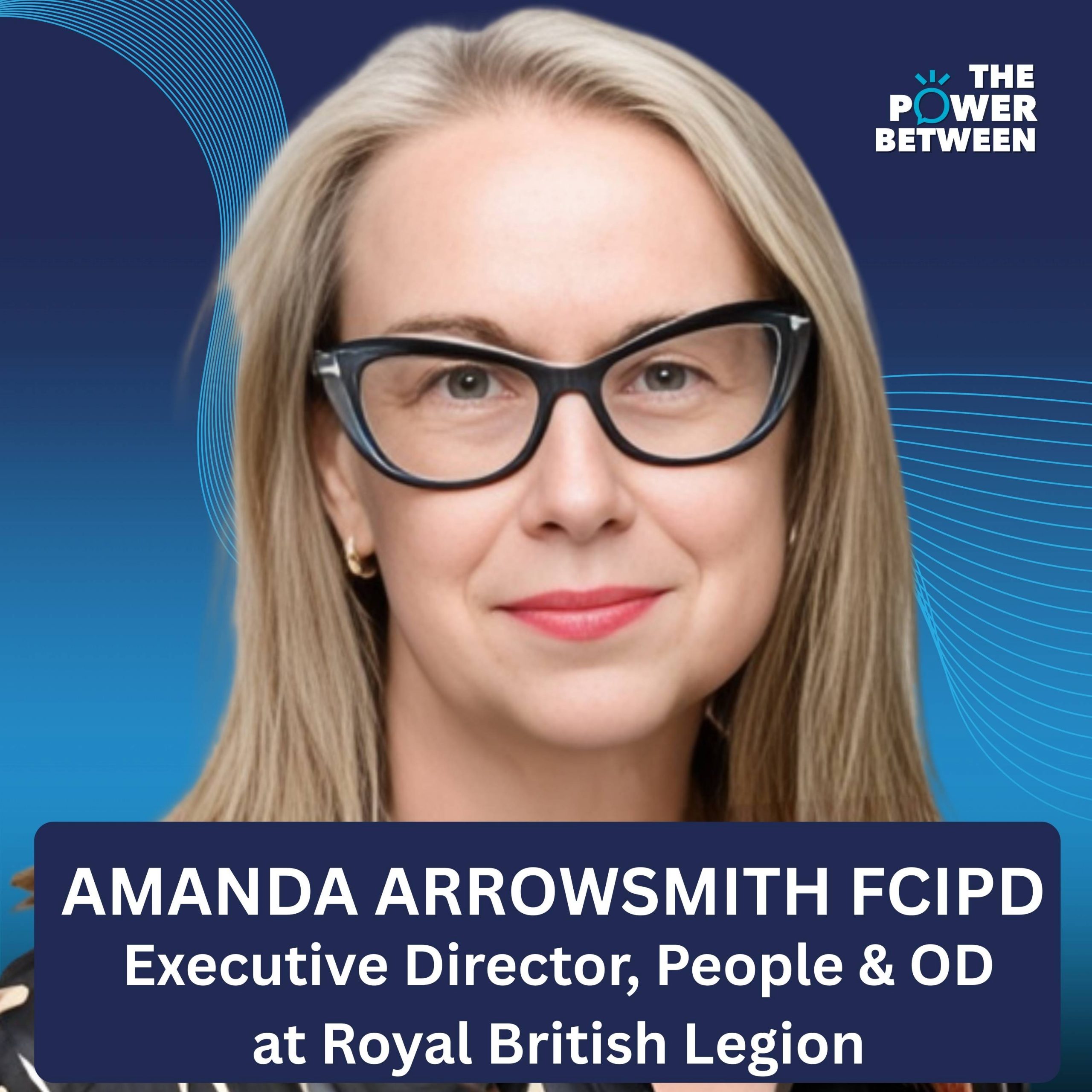
Amanda Arrowsmith FCIPD brings long, grounded experience to this field. She is the Executive Director, People & OD at the Royal British Legion, Founder of Sisterhood of Women and a Non-Executive Director of Disclosure and Barring Service (DBS).
She began in the UK Civil Service, built her early HR skills at Eversheds Solicitors, and later supported major organizations including HS2 (High Speed Two) Ltd and global pharmaceutical companies such as Shire.
Today, she guides a wide workforce at the Royal British Legion while completing a Doctorate in Business Administration focused on people transformation and the shifting role of Chief People Officers.
In this article, we examine how people’s roles evolve, how purpose shapes culture, how different generations influence work, and how small daily habits support healthier environments.
Together, these ideas show how steady, human-centred practice helps organizations move through change with clarity and confidence.
People and organizational development work grows from real experience inside organizations. It connects strategy with everyday behaviour and helps teams move through change with clarity and confidence.

Image Credits: Photo by Anna Shvets on Pexels
Most people start with core HR tasks. Hiring, pay issues, and daily support all show how closely people work ties to business goals. These early lessons matter because they teach how small decisions shape the whole place.
The titles in this field shift over time, but the need to make work run well stays the same. That foundation gives the steadiness needed for bigger roles later on.
The work expands once an organization enters a period of change. Some changes feel tough and can involve cuts or structure shifts. Others feel excited and involved in growth or a new strategy.
Either way, people leaders guide teams through pressure and set clear expectations. Interim roles often help because they offer focused support at the right moment.
This part of the job depends on influence, not long job titles. You speak with teams, help them make sense of change, and show them a path forward.
A few steps help keep things steady:
These steps sound simple, but they matter a lot.
Modern organizations rarely look the same across all teams. One charity can employ hourly-paid workers, care staff, event planners, and specialists who support thousands of people each year. Each group needs something different.
People leaders hold these pieces together and build a culture that feels fair for everyone. It’s practical work and deeply human at the same time.
Further study, like a DBA, adds more depth. It links ideas with real practice and helps leaders question old habits. A study also feels richer when you bring years of experience into the room.
Workplaces now include several generations with different views on balance and work style. Younger workers may set sharper lines, and that can challenge old habits.
But it also pushes organizations to rethink what healthy work looks like. People and organizational development roles keep growing because these questions won’t fade. They sit at the heart of how modern organizations survive and improve.
Workforces now bring very mixed views on what good work looks like. These differences shape how organizations think about performance, balance, and purpose. The shift is fast, and it pushes everyone to rethink habits that once felt fixed.

Image Credits: Photo by Tirachard Kumtanom on Pexels
Younger workers focus on outcomes, not hours. They want to know what they achieved, not how long they sat at a desk. This approach questions older ideas that tie value to time and presence.
It can feel uncomfortable for people who grew up with strict routines, but it also forces an honest look at what productivity really means. Moreover, it raises fair questions about whether old systems still fit the world we work in now.
A big part of the challenge starts long before the first job. Schools still teach in a way that suits another era. Students follow set timetables and wait for instructions, then enter jobs that expect them to think for themselves.
Key areas where education falls short:
This gap leaves young people unsure, and teams try to fill it. That said, the larger system hasn’t caught up with the pace of modern work.
Phones, digital tools, and remote options changed work far quickly than many expected. Older generations carry habits from both analogue and digital times. They still feel tied to the always-on culture.
Younger workers question it and set clearer limits, and sometimes they’re right. However, many organizations still use structures built for another age. Younger staff notice the mismatch fast, and it influences how they see their future there.
Today’s workforce includes a wider mix of ages, genders, backgrounds, and ways of thinking. People want workplaces that feel real and fair, not places stuck in old rules.
Purpose also matters when people see why their work counts; they give more and stay longer. Work is changing. organizations that adapt intentionally will build stronger teams and develop future leaders.
organizations grow stronger when people understand why their work matters and how it links to real outcomes. Purpose isn’t a slogan. It comes from clear communication, honest connection, and daily habits that keep people grounded.
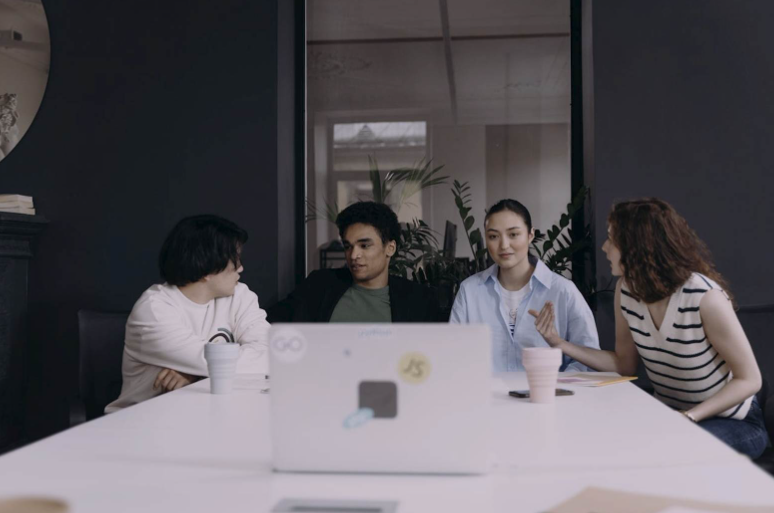
Image Credits: Photo by cottonbro studio on Pexels
Money keeps any organization running, but purpose keeps people committed. The best workplaces don’t hide either. They explain how financial goals support wider aims and show how ethics, behaviour, and culture tie into long-term success.
When people understand both sides, they feel part of the whole picture. However, many organizations struggle with this balance. They talk about purpose but don’t show how it connects to decisions, rewards, or how work is structured.
Work feels more real when employees see who benefits from their effort. Even teams far from customers gain clarity when they meet the people whose work they affect.
Some organizations create simple ways for staff to spend time on the frontline or shadow those who deliver services.
This helps employees:
Moreover, it reminds people that numbers and reports represent real lives.
Leaders make better choices when they truly know their teams. This gets harder with remote work and large structures.
When leaders lose that connection, decisions can feel cold or rushed. Knowing people’s pressures and strengths helps leaders act with fairness and confidence.
Everyone needs a moment to breathe and think. Small habits support this.
These short pauses build discipline and help people handle busy roles with more clarity. When purpose, connection, and reflection come together, organizations create cultures that feel honest and supportive. And people respond with commitment, not just compliance.
Small daily habits often drive steadier change than big shifts. These habits help people slow down, think clearly, and keep control of their work.
When teams rush without pause, burnout rises and judgment slips. A simple check-in and check-out routine can ease that pressure. It takes minutes, but it builds calm and focus over time.
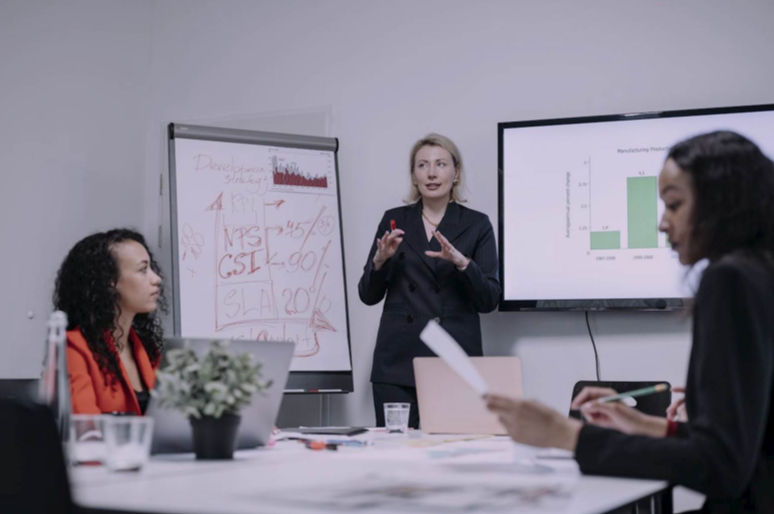
Image Credits: Photo by Pavel Danilyuk on Pexels
A short morning pause helps people set their mindset and choose priorities. An evening pause helps them see what worked and what needs attention tomorrow. These moments create space, and space supports better choices.
When leaders do this openly, others feel safe to copy it. That said, the goal isn’t perfection. It’s a practice people can keep up.
Leaders often look for big wins, but progress usually comes from small gains that add up. These gains clear the friction and reduce stress on the workflow.
This matters most for people in the middle of organizations. They don’t control strategy, but they shape daily work.
A few examples include:
Each change seems minor, but together they move performance forward.
Middle managers connect plans with action. They steady morale, explain priorities, and guide teams under pressure. When they have time to think and simple structures to support them, engagement rises.
Work feels smoother. However, when that space disappears, pressure builds fast, and plans can unravel.
In the end, small habits, steady reflection, and real support for middle leaders create healthier workplaces. People feel grounded. They work with purpose. And organizations benefit from calmer, more reliable performance.
A strong workplace grows from small daily choices, not one big moment. The ideas in this article show how simple habits, clear purpose, and real human connection shape better work.
When people pause for a few minutes each day, they think with more care. When they see who benefits from their work, they feel part of something real. These small acts add up and build trust across teams.
Middle leaders sit at the heart of this progress. They steady teams, explain goals, and deal with pressure from both sides. Their work shapes how people feel each day.
So they need time to think, space to breathe, and support that doesn’t fade when things get busy. When they get this, performance rises and stress drops. When they don’t, the strain shows fast.
organizational Development works best when it focuses on real people and real moments. It grows stronger when teams understand why their work matters and when leaders act with purpose, not pressure.
Work will keep changing, but people will still want the same things. They want fairness, clarity, and leaders who see the person behind the task.
If organizations invest in these steady habits and honest conversations, they build teams that stay committed and handle change with confidence.
Strong listening, simple problem-solving, and calm decision-making matter most. You learn the rest as you work with real teams and real issues. These early skills shape how you lead later.
It builds trust through clear messages, honest reasoning, and fair behaviour. When people see steady action, not mixed signals, they relax and engage more.
Behaviour shows what a culture truly is. Policies help, but people watch daily habits. When behaviour matches values, culture grows stronger.
It encourages early conversations before issues grow. Leaders learn how to listen, explain concerns, and guide people to shared ground. This keeps teams steady.
Work carries emotion, even if people hide it. Leaders who notice it make better choices and avoid careless decisions. It helps them guide people with more care.
Leader Prompts - enable your leaders with these 50 practical and straight-forward mini-guides to handling common management challenges.
For the less than the price of a coffee a week you can read over 650 summaries of research that cost universities over $1 billion to produce.
Use our Ideas to:
Speak to us on how else you can leverage this content to benefit your organization. info@ideasforleaders.com