

TPB – Miles Bonell: Why Do Companies Rely on Independent HR Consulting During Change
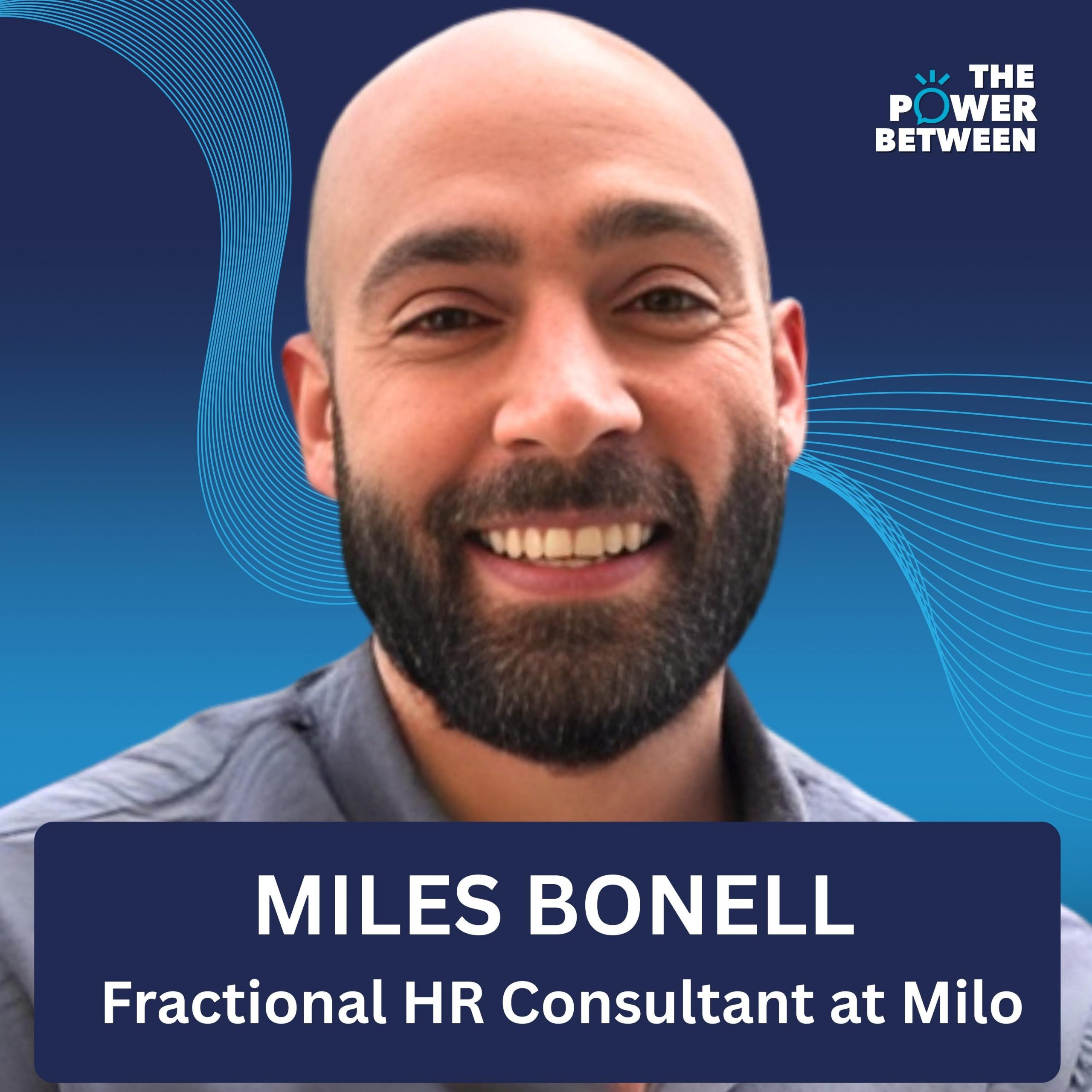
Workplaces keep changing, and people feel that shift every day. Big companies try to stay steady with tight systems, while smaller firms push for faster action. Both approaches shape how people think, learn, and lead. This mix often raises a simple question.
How do you build a place where work feels clear, fair, and supportive without slowing everything down? Many teams struggle with that balance, and it shows in how they make decisions and handle pressure.
This is where Miles Bonell‘s experience helps. Miles is Fractional HR Consultant at Milo, Fractional Head of People & Culture at CARPENTE Architecture and Traffic Label Limited and has spent more than ten years working across large firms and smaller organizations, from Tesco and Amazon to the care home sector.
He started in recruitment, built hiring systems, and led shared service projects. He later moved into senior HR roles and handled complex people challenges that touched culture, leadership, and daily work.
Over the last five years, he has shifted into consulting and now guides companies that need structure or face tough workforce issues. His work draws on real practice and shows what teams need to stay steady and grow with purpose.
In this article, we look at why people move from large organizations into Independent HR Consulting, how different company sizes shape daily work, and what leaders must understand about learning, culture, and change. We also explore how simple habits help teams work with more confidence and less noise.
People often move from big companies into consulting when they want more space to think and act. Large organizations teach strong habits, but they also slow you down.
After a while, you feel the weight of long approvals and rigid systems, and you start looking for work where you can actually shape outcomes.

Image Credits: Photo by Tima Miroshnichenko on Pexels
Big employers rely on strict structures because they handle huge teams. That structure helps, but it also holds people back. Even a small change needs papers, checks, and several sign-offs.
Managers focus on narrow goals because major decisions sit far above them. You do useful work, but you don’t always feel the impact.
Amazon shows this clearly. Teams run like small units, but the larger strategy still comes from leaders elsewhere. Culture grows through shared principles, not through free choice. It works, but it can feel tight.
Small organizations move fast. They want action, not endless discussion. You can suggest an idea and see progress the same day. This speed builds confidence because you know your work matters. It also keeps energy high.
A short contrast helps:
Both teach strong lessons, but they create very different days.
Consulting brings the two worlds together. You use the structure you learned in large companies, and you keep the pace you learned in small ones. You run full projects, not tiny slices of a big system. And you see the results without waiting weeks for approval.
Most businesses want help in two areas. They either lack a proper HR setup or face tough people issues. Consulting lets you step in, guide them, and fix what needs fixing. It’s simple, clear work that creates real change.
Large organizations often seek fresh ideas but still rely on slow approval systems. That mix creates real friction. You can bring a strong idea, but you must prove its worth before anything moves.
Some ideas get through, but the process feels long and heavy. Programme teams step in, build plans, and run the full change cycle. Change does happen, but it rarely happens fast.

Image Credits: Photo by RDNE Stock project on Pexels
Startups work in a different world. If your idea makes sense and you show clear value, you usually get a quick yes. You then lead the whole thing yourself.
The speed feels exciting, but it also adds pressure. There’s no large team to lean on. You own the work from the first step to the last one.
This creates two very different challenges:
Both settings work well, but each requires a different mindset.
Large companies give a clear structure. You get KPIs, training, fixed processes, and a narrow focus. You work as a specialist, and the path is predictable.
Startups flip this. You act as a generalist, generate your own ideas, and stay on track. Deadlines come fast, and people expect progress, not long talks.
Some big employers label roles as people managers or individual contributors before interviews even start. If you apply for a people manager role, they’ll test how you think, lead, and support others.
However, a deeper issue sits beneath this. Many people move into management without learning how to lead. They excel in their own tasks but feel lost when they must guide others. This gap hurts teams, weakens trust, and increases turnover. Companies often underestimate how costly poor people management really is.
Strong leadership skills don’t grow by accident. They need time, training, and real support across every industry.
Many workplaces want people to learn faster and lead better, but the way they teach often doesn’t match how humans learn. This gap slows growth and leaves people feeling unsure or unsupported.

Image Credits: Photo by Karolina Grabowska on Pexels
Classroom-style teaching and long e-learning sessions don’t work for everyone. Many people lose focus, and the information fades soon after.
Our brains hold on to what we use, not what we hear once. So, when companies rely on one-time training or heavy slides, they set people up to forget most of it.
Moreover, some employees simply don’t learn well through memorising. They need movement, practice, and small steps.
People learn best when they can touch the work and repeat it. They grow when they see others in action and when someone guides them with clear, kind feedback.
Strong learning includes:
This style builds real skill, not short-term recall.
Many new managers enter leadership without any training. They did well in their own role, so they got promoted, but no one taught them how to support people.
This leads to shaky confidence, unclear expectations, and teams that feel lost. Short, frequent practice works far better than rare training days. It keeps skills fresh and helps leaders respond with purpose.
Some companies skip one-to-ones or reviews because they don’t realise how much these habits help. Without them, issues grow quietly, and people repeat mistakes.
Healthy development systems include:
When companies create these routines, people grow faster, and teams work with far more confidence.
People work better when they feel supported, and that support comes from three things. Learning, care, and leadership. These pieces rely on each other, and the workplace feels weaker when one goes missing. When they work together, people show up with more energy and a clearer sense of purpose.

Image Credits: Photo by Felicity Tai on Pexels
Care isn’t only about kindness. It also involves honesty, clear feedback, and fair recognition. Learning keeps people growing, and leadership brings structure to that growth.
When teams lose any of these, work starts to feel flat. People do tasks because they must, not because they want to.
Many people reject the idea of a “work family,” and that’s fine. Even so, work should feel like a place where you can grow without fear. You spend many hours there. It helps when the environment lifts you rather than drains you.
Culture grows through small actions that repeat. Leaders shape it by how they speak, respond, and guide. Training days help, but skills fade fast if people don’t practise them. Simple routines keep things moving.
These steps don’t need to be complex. Starting small helps teams gain confidence and adjust as they learn.
Feedback is a skill, and people improve through steady practice. Good examples, mock sessions, and small corrections help managers speak with clarity. They also help employees hear feedback as support rather than judgment.
organizations also need honest input. Surveys and simple check-ins reveal how people feel and where culture needs attention. Leaders can then act on that information and show that listening matters.
When feedback flows both ways, and learning stays active, people feel cared for, and the culture grows stronger without forcing it.
Independent HR Consulting gives people a simple way to support teams with clear, steady actions. It brings structure to what feels messy and pace to what feels slow.
After looking at how companies work, one thing stands out. People do well when they get clear guidance and honest support, and they struggle when these pieces go missing.
Good HR work shows its value in small moments. A short check-in keeps everyone aligned. A clear goal gives people something solid to aim for. A kind but direct correction fixes issues before they spread. These steps don’t look big, but they shape how teams work each day.
Moreover, both large firms and startups face pressure, just in different ways. Big firms move slowly and drain energy. Startups move fast and demand constant action. When someone understands both sides, they help leaders stay steady without losing speed. That balance matters more than any complex plan.
That said, the real message is simple. People want to feel supported and understood. They want to grow without guessing what comes next.
When organizations create routines that provide clear feedback and regular learning opportunities, teams become stronger and more confident. And when consultants guide that shift with care and firm direction, the change lasts.
This mix shows why Independent HR Consulting has become a trusted choice for many leaders who want progress without noise.
Yes. It helps founders build basic HR routines before problems grow. This support keeps things steady even when the team expands fast.
Consultants listen to both sides, set clear steps, and guide people toward fair outcomes. This approach keeps emotions in control and helps teams work together again.
It often does. Clear goals, simple feedback, and steady support help people feel valued. When people feel seen, they stay longer.
They give managers simple tools, meet them often, and track real progress. This approach stops issues from hiding under daily work.
It keeps communication close and cuts confusion. Consultants guide leaders on what to say, when to say it, and how to support teams.
Leader Prompts - enable your leaders with these 50 practical and straight-forward mini-guides to handling common management challenges.
For the less than the price of a coffee a week you can read over 650 summaries of research that cost universities over $1 billion to produce.
Use our Ideas to:
Speak to us on how else you can leverage this content to benefit your organization. info@ideasforleaders.com