


TPB – Steven D’Souza: What Are the Biggest Leadership Challenges Today
Leadership has always been demanding, but today it feels heavier than before. Companies face global uncertainty, fast change, and rising pressure. Fewer people want to take senior roles, and those who do often leave earlier than expected.
At the same time, middle managers carry the weight of strategy, team needs, and extra duties that keep piling up. The world of work has shifted, and so have the expectations placed on leaders.
This makes it important to ask: what are the biggest leadership challenges right now, and how can leaders respond to them in a healthier way?
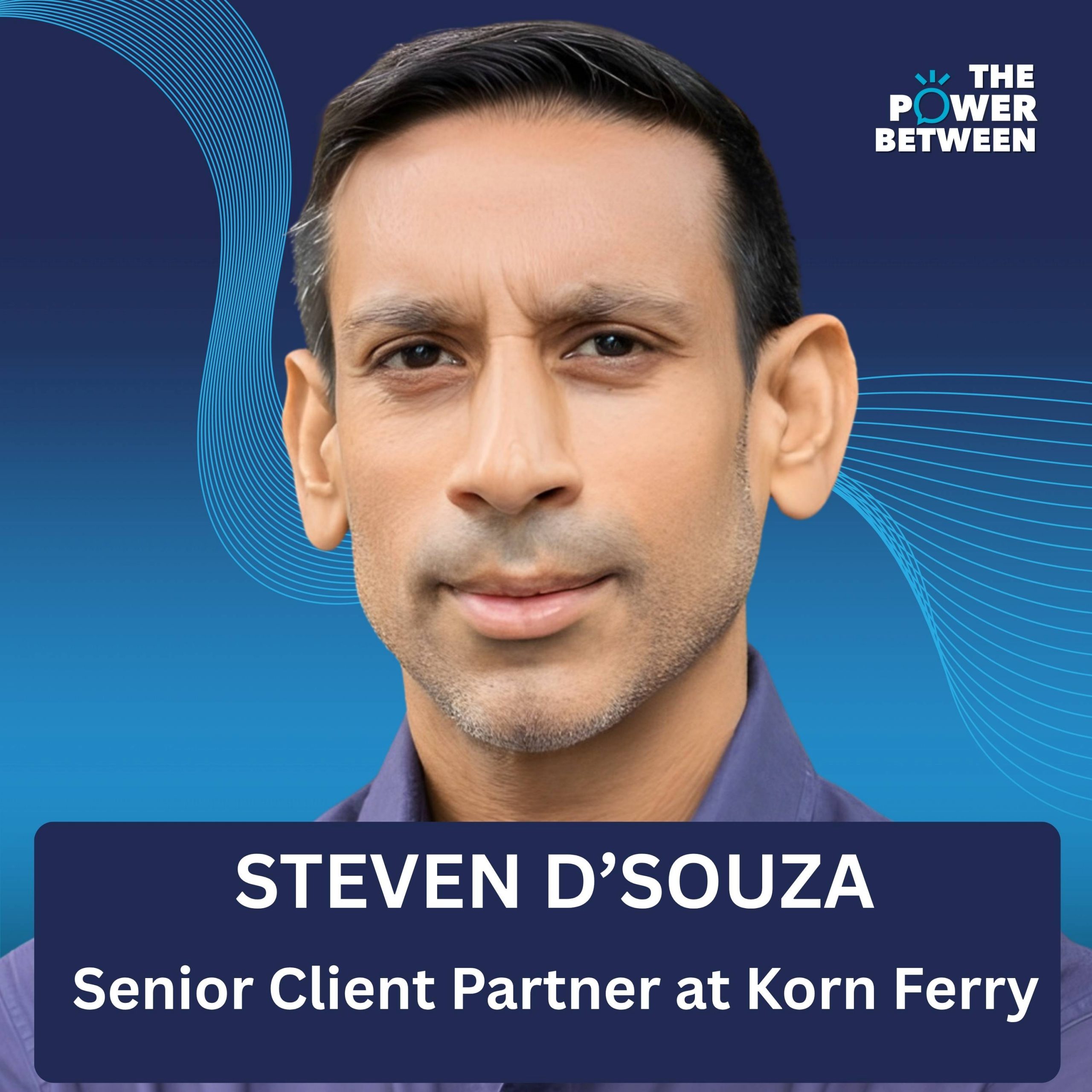
Steven D’Souza brings a wealth of experience to this question. He is a global educator, executive coach, bestselling author, TEDx speaker, and Thinkers50 nominee. His past roles include leading leadership development at Philip Morris International.
He now works as a Senior Client Partner – Leadership & Professional Development at Korn Ferry. Steven has also written several influential books, including Not Doing, Not Knowing, Not Being, and most recently, Shadows at Work.
His work blends leadership practice, psychology, and personal growth, showing leaders how to work with their strengths and hidden “shadows.” He is known for making complex ideas practical for executives, entrepreneurs, and managers alike.
This article’ll explore the pressures leaders face today, from middle managers holding the system together to the growing demand for clear direction in uncertain times.
We’ll examine how wisdom develops, why hidden traits matter, and how reflection and curiosity help leaders grow stronger and more human in their work.
Leadership has always been demanding, but today it feels heavier than ever. CEOs stay in their roles for shorter periods, and fewer want to step into those positions. The pressure comes from all sides: global uncertainty, rapid change, and the personal toll that such responsibility brings.

Image Credits: Photo by Mikhail Nilov on Pexels
Middle managers carry the load from both directions. They must answer to senior leaders while keeping their teams focused and productive. Their role is stretched across several areas:
For years, businesses pushed for shared leadership and collaboration. People wanted openness and teamwork.
Yet, in uncertain times, the tide has shifted. Many now prefer leaders who give clear, simple direction, even when it limits flexibility.
We see this in politics and business, where strongman figures are gaining ground. It’s a response to chaos, but it comes at a cost.
The real challenge is finding balance. Organizations need leaders who give direction without shutting down adaptability. Middle managers need support and recognition to handle the weight placed on them.
Without this balance, companies risk becoming rigid or unstable. Good leadership today means holding clarity and flexibility side by side.
The shadow isn’t always something dark or negative. In psychology, it simply means hidden. These hidden parts often include strengths we’ve pushed aside.
Maybe creativity was discouraged, or confidence was called arrogance. Over time, those qualities get buried, but they never vanish. They wait to be recognised and used again.

Image Credits: Photo by Thirdman on Pexels
Carl Jung described the “golden shadow” as those hidden gifts and talents we’ve suppressed. They can be just as powerful as our obvious strengths. When leaders face their shadows, they don’t erase them.
Instead, they ask: how can this help me?
If ignored, shadows still influence behavior. If embraced, they enrich life and leadership.
Wisdom grows slowly. It comes through reflection, experience, and often shows more clearly in midlife. This is when many people start asking what really matters.
In organizations, wisdom often sits off the radar, yet it offers balance, perspective, and clarity. It helps leaders guide people without losing sight of the bigger picture.
Real wisdom isn’t about knowing everything or admitting nothing. It’s about holding both. Experience brings confidence, but curiosity keeps learning alive.
Leaders who keep this balance bring clarity without closing doors. They rely on what they’ve learned, yet remain willing to question. That combination makes them not only effective but also human.
Leaders often fall into the trap of acting like they know everything. They give answers, share advice, and keep control.
While this looks strong, it hides the fact that not knowing is also part of leadership. Treating uncertainty as weakness blocks growth. Admitting limits, however, shows honesty and opens space for reflection.
Image Credits: Photo by SEO Galaxy on Unsplash
Shadow work starts with awareness. A clear sign of the shadow is projection. When leaders avoid facing something in themselves, they often see it in others.
A sharp overreaction to someone’s behavior can be a clue. It’s often less about the other person and more about something hidden inside.
The right step is to pause and ask: what part of me is showing up here? This shift stops blame and brings energy back to the leader.
Leaders must also notice when others project onto them, such as being treated like the rescuer or all-powerful figure. The skill is to see these roles, avoid absorbing them, and still guide with care.
Personal work matters, but culture shapes how deep it goes. Organizations should create conditions where truth can be spoken, even when uncomfortable. This isn’t about comfort. It’s about building brave spaces where honesty is welcome.
For this to happen, organizations need to:
Growth doesn’t come from silence. It comes from dealing with discomfort, learning from it, and using it to lead better.
Creating space for shadow work is never simple. Every workplace has its own pressures, and culture shapes how authority is used.
In younger organizations, new systems can be built without being tied to rigid traditions. This is a strength, but societal habits around hierarchy and power still influence how people work together.

Image Credits: Photo by Edmond Dantès on Pexels
Periods of uncertainty can feel uncomfortable, yet they often spark real growth. Transformation happens in dark places, just as seeds take root in the soil.
Leadership maturity comes from facing both shadow and light, rather than denying either. Wholeness is possible only when leaders accept their strengths and blind spots.
Organizations often respond to crises with quick fixes. Leadership changes or polished statements may give the impression of progress, but little shifts if the deeper issues remain untouched. Real change requires more than surface action.
It means:
When speed or profit is valued above ethics or safety, the same problems repeat. True progress comes from deeper work, not temporary solutions.
The most visible leadership is not at the very top. It’s in the daily actions of middle managers. They are the ones employees experience most directly.
If they reflect on their shadows, resist overplaying strengths under stress, and act with awareness, they create healthier environments.
No leader or system will ever be flawless. Mistakes will happen. What matters most is how leaders and organizations respond after those failures, and whether they use the lessons to build something stronger.
Leadership is never simple, and today it feels heavier than ever. Pressure comes from many sides, uncertain markets, rapid change, and the human cost of constant demands. Leaders must respond with both strength and humility.
The biggest leadership challenges don’t always appear at the top. They often show up in the daily work of middle managers who carry weight from above and below.
They’re expected to keep teams engaged, deliver results, and take on extra roles with little support. Without recognition and help, even the most capable leaders can burn out or lose focus.
Wisdom in leadership grows when people reflect on their strengths and blind spots. Ignoring what’s hidden only creates problems later.
But when leaders face their shadows honestly, they find energy, resilience, and even forgotten talents. Organizations that create space for truth make this work possible even when it’s uncomfortable.
The future of leadership depends less on control and more on balance. Clear direction matters, but so does curiosity and openness.
Mistakes will happen, yet progress comes from how leaders respond, learn, and guide after those failures. The best leaders today aren’t perfect. They’re the ones who stay aware, keep learning, and lead with both steadiness and humanity.
Small businesses deal with limited resources and close-knit teams. Large corporations face scale, politics, and more complex systems.
Yes. Tools can improve communication, track progress, and reduce admin work. But they can’t replace trust or human judgment.
They often intensify. Leaders must manage tighter budgets, rising stress, and uncertainty while keeping teams motivated.
Culture affects authority, teamwork, and decision-making. What feels empowering in one culture may feel disrespectful in another.
Not always. Women often face added bias, limited opportunities, and extra pressure to prove themselves in leadership roles.
Leader Prompts - enable your leaders with these 50 practical and straight-forward mini-guides to handling common management challenges.
For the less than the price of a coffee a week you can read over 650 summaries of research that cost universities over $1 billion to produce.
Use our Ideas to:
Speak to us on how else you can leverage this content to benefit your organization. info@ideasforleaders.com