



TPB – Bernard Nikaj: Why Is Participatory Leadership the Future of Modern Leadership
Leadership is changing everywhere. People no longer want leaders who just give orders. They want to be part of the decision-making process, share their ideas, and see how their work matters.
This change is shaping how teams, companies, and even governments work today. It’s about collaboration, trust, and shared responsibility.
That’s where participatory leadership comes in; it helps people feel involved and valued, and it builds stronger, more connected organizations.
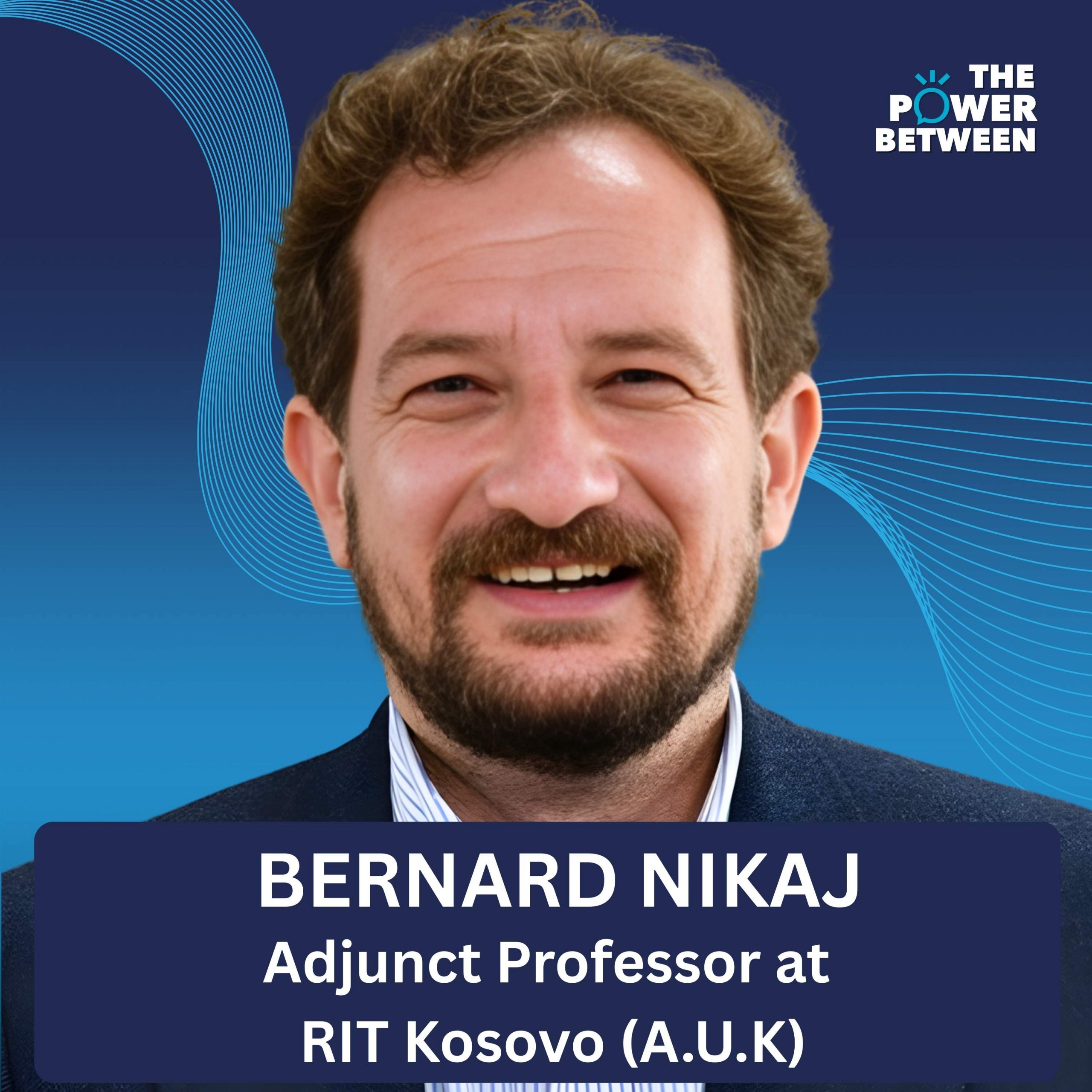
One person who has witnessed this change firsthand is Bernard Nikaj, a professor at RIT Kosovo (A.U.K) and former Kosovan ambassador to the European Union & a former diplomat.
He has served in key government roles, including Minister of Trade and Industry and later as Kosovo’s Ambassador to the European Union, NATO, Belgium, and Luxembourg.
As Minister, he led significant reforms to enhance Kosovo’s economy and fostered partnerships with Europe.
Bernard is also a Fulbright Scholar and former Visiting Professor at the University of California, Berkeley. Through his work, he continues to promote participatory leadership that values inclusion, teamwork, and transparency.
In this article, we’ll examine how Kosovo’s journey after independence has become a powerful example of this leadership style in action.
We’ll explore how open collaboration gave young leaders a voice, built lasting trust, and helped shape stronger institutions that continue to guide the country’s growth today.
When Kosovo gained independence in 2008, it had to build everything from scratch. There were no long-established systems, no deep archives, and no set way to run a new country. That moment created a huge opportunity for young people to step up and shape something entirely new.

Image Credits: Photo by August de Richelieu on Pexels
During the 1990s, most Albanian public servants lost their jobs under the Milosevic regime. So when Kosovo became independent, there weren’t enough experienced officials left to run the country. Young, educated Kosovars filled that gap. They didn’t inherit old habits; they started fresh.
Careers moved fast. A person could begin as a chief of staff, become deputy minister within months, and soon lead a whole ministry. Each move brought new challenges and new lessons. The country was changing rapidly, and everyone working within the government had to adapt to it.
No one had a guidebook for how to build a new state. Officials had to learn on the go. They examined what other countries had done after conflict or independence, adopted what made sense, and adapted it to Kosovo’s own situation.
Everything happened at once, and each success built a little more confidence for the next step.
Kosovo’s early government felt like a startup. People worked quickly, took calculated risks, and addressed problems as they arose. There was no time for long bureaucracy.
This energy created leaders who learned by doing and stayed flexible under pressure. It proved that a young country can grow quickly when its people believe in building something better together.
When an organization is new, things move fast, and ideas flow freely. That’s the perfect time for participatory leadership to grow. It’s not about giving orders.
It’s about bringing people together, listening to them, and helping them take ownership of their own lives. When everyone feels part of the process, the whole system becomes stronger and more adaptable.

Image Credits: Photo by Kampus Production on Pexels
Lasting progress doesn’t depend on one leader. It depends on the teams that stay and keep the work moving. Mid-level staff play the biggest role here.
Participatory leadership helps them succeed by:
When people understand that their effort is connected to something bigger, they care more. They show up, share ideas, and exceed expectations. That’s how real progress sticks.
Commanding others can yield quick results, but it stifles creativity. Involving people instead fosters trust and sparks more effective thinking. Teams that feel heard often solve problems more quickly and with greater care.
Large projects, like policy reforms or system upgrades, work best when departments cooperate directly. Removing unnecessary approval steps saves time and builds smoother coordination. It turns teamwork into a habit, not a rule.
As organisations grow, they naturally develop a more structured approach to their operations. That’s fine, but too much structure can slow everything down. Leaders with a participatory mindset keep balance by:
Strong institutions thrive when people understand each other, share a common purpose, and move forward together. That’s what participatory leadership does best.
As organizations grow, things often become more structured and less flexible. New layers form, meetings increase, and decisions take longer to make.
Yet, participatory leadership can still be effective if it’s viewed as a mindset, rather than a process. It’s about how people talk, share ideas, and make decisions together, even in complex setups.

Image Credits: Photo by Vlada Karpovich on Pexels
Participation is easier in small teams, but it doesn’t have to vanish as the organization expands. The key is to build habits that keep everyone involved. Leaders should set an open tone from the top, give departments room to make their own choices, and use digital tools to connect people.
Shared calendars, team chats, and collaborative workspaces make it easier for everyone to contribute and stay informed.
When people understand why decisions are made and feel trusted to take action, they don’t just follow orders; they engage. That’s when participation stops being a formality and becomes part of the culture.
As organizations mature, bureaucracy can creep in. Approvals pile up, and creativity slows down. Leaders can address this by demonstrating, rather than telling, how openness works.
It starts with simple actions, such as listening to people, being transparent about plans, and explaining the purpose behind big decisions.
Examples include:
Change doesn’t come from slogans. It comes from small, steady actions that show trust and respect. Leaders who communicate clearly and share credit build teams that work with purpose.
Even in big institutions, participation keeps people motivated, connected, and proud of what they create together.
Participation only works when people trust each other. Without trust, even the best systems break down. Real leadership isn’t about holding power; it’s about sharing it and helping others grow. When people understand why decisions are made, they’re more likely to support them and give their best effort.
Image Credits: Photo by ICSA on Pexels
Trust doesn’t appear overnight. It grows through small, consistent actions that show honesty and respect. Leaders can build it by:
When trust becomes part of how a team works, collaboration feels natural. People stop competing for attention and start working toward shared goals.
Inclusive leadership takes energy and patience. It’s easier to command than to include, but control kills creativity. To keep participation alive, leaders should make it an integral part of their work, not just a management style. Regular discussions, small team-led projects, and openness to feedback keep energy flowing both ways.
When leaders lead with example, people mirror that same energy. It builds momentum that lasts beyond meetings or projects.
People don’t stay in jobs just for money. They stay when they feel their work matters. When goals have meaning, people feel proud of what they’re building together.
That’s why participatory leadership works; it builds purpose, trust, and a sense of belonging that keeps people motivated and organizations strong.
Participatory leadership works because it treats people as part of the process, not just as workers following orders. It’s about sharing ideas, creating space for diverse voices, and trusting individuals to do their best. When everyone feels heard, teamwork becomes natural, and progress feels shared.
Leaders who listen and explain their decisions build trust more quickly. People support decisions they understand. They also take more pride in their work when they see how it matters. That’s how teams stay motivated even when things get tough.
In Kosovo’s case, this approach helped young leaders grow fast. They learned by doing, stayed open to others’ input, and proved that confidence grows through collaboration. The same idea fits any workplace today. When leaders focus less on control and more on cooperation, they keep energy alive.
Moreover, trust and purpose don’t fade when leadership changes. They stick because they’re built into daily habits, clear talk, open minds, and shared goals. These small actions shape strong institutions over time.
Participatory leadership isn’t about titles or power. It’s about creating a space where people want to give their best. When teams feel trusted and connected, they work with purpose. That’s what keeps organizations growing in the right direction.
Participatory leadership focuses on inclusion, trust, and shared decision-making. Traditional leadership depends more on authority and control. The participatory style values people’s input and turns teamwork into a daily habit, rather than relying on top-down rules.
It keeps policies grounded in real needs. When officials listen to citizens and staff, decisions reflect everyday realities. It also fosters public trust and enables governments to remain adaptable during times of change.
It gives them a voice early in their careers. When leaders include them in decision-making, they gain confidence, learn more effectively, and take ownership of the results.
Yes, but it needs clear communication and trust. Leaders should utilize open meetings, shared tools, and straightforward feedback systems to keep everyone engaged.
Listening, clarity, empathy, and patience are the most important qualities. A good participatory leader asks questions, explains decisions, and gives others space to contribute.
Leader Prompts - enable your leaders with these 50 practical and straight-forward mini-guides to handling common management challenges.
For the less than the price of a coffee a week you can read over 650 summaries of research that cost universities over $1 billion to produce.
Use our Ideas to:
Speak to us on how else you can leverage this content to benefit your organization. info@ideasforleaders.com