



TPB – Paul Williamson: Why Coaching Transforms Entertainment Industry Leadership?
The live entertainment industry is fast-paced and always changing. From theatres to large venues, every day brings something new. This constant movement creates exciting opportunities for those who want to grow as leaders.
However, success here is not just about technical skills. It also depends on how well leaders manage people, build trust, and keep teams motivated under pressure.
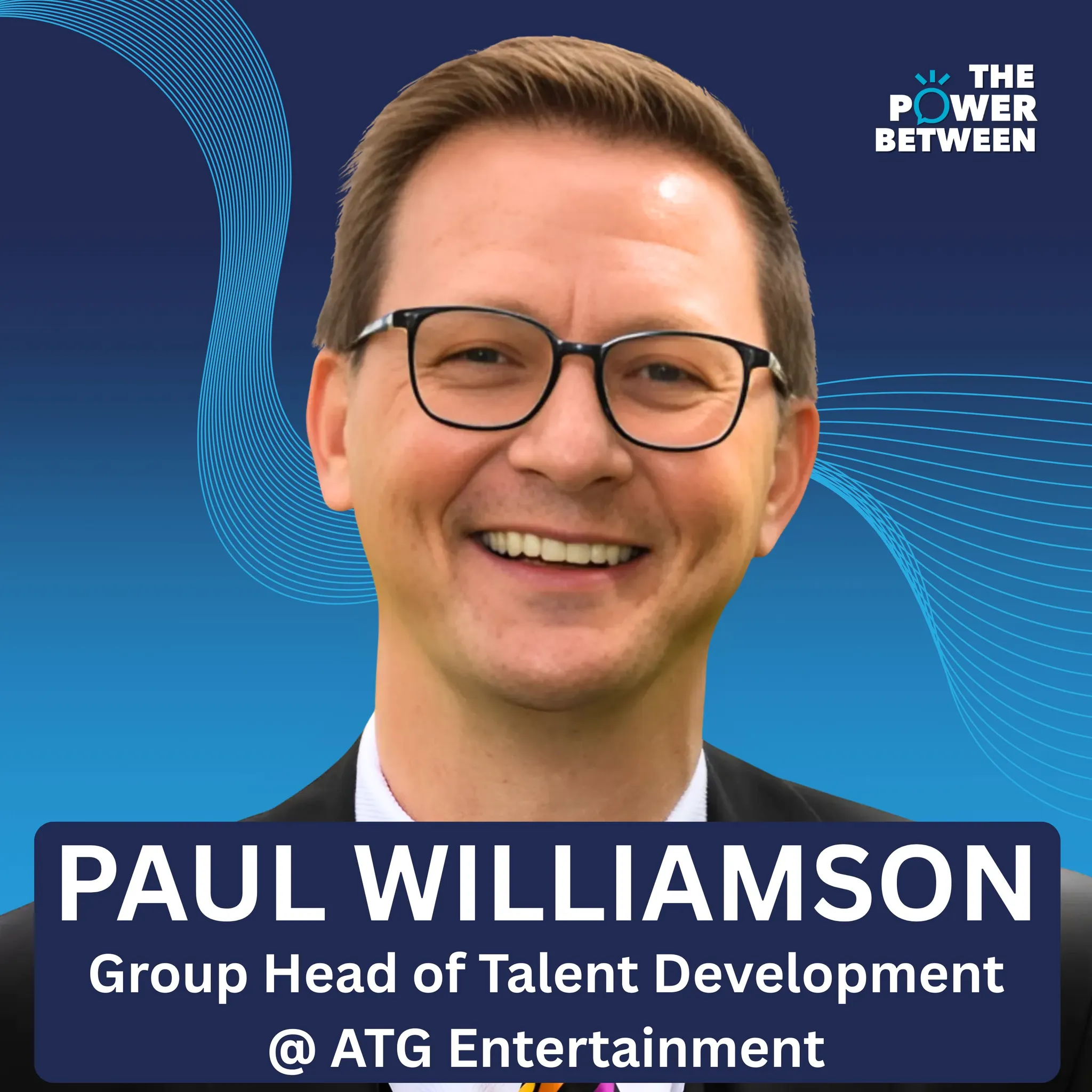
One expert who understands this deeply is Paul Williamson, Group Head of Talent Development at ATG Entertainment UK. With 28 years in the company, he has seen the industry from the ground up.
Paul started in box office roles and now designs leadership programs for a global team of over 11,000 people. He leads initiatives like Rising Stars for emerging leaders, Leading Lights for senior roles, and Interval for experienced managers.
Beyond that, he champions coaching as a core leadership skill and promotes an inclusive, people-first culture across ATG. He also serves as GB Regional Chair for the Association for Coaching and contributed to the book Coaching as a Leader.
In this article, we explore how to build a career in the Entertainment Industry Leadership. You will learn why authenticity matters, how coaching can strengthen teams, and why people-focused skills are essential. We will also look at practical ways leaders can act with intent, support growth, and create workplaces where people thrive.
A career in live entertainment can grow fast when you combine experience with the right skills. Many people start in ticketing or front-of-house roles, working directly with customers and learning how events run. These early jobs build a solid base for bigger opportunities.

Image Credits: Photo by Anastasia Shuraeva on Pexels
As companies expand, new roles open up. Moving from one venue to managing several locations is a common step. Centralized ticketing, larger teams, and busy schedules need managers who can stay organised and lead with confidence.
Developing People and Culture Skills
Higher roles focus on more than tasks. They involve shaping how teams work and grow.
Many professionals add HR training to improve these skills and handle team challenges better.
Good leadership is about guiding, not controlling. Coaching helps managers ask the right questions and let team members find answers. This approach builds trust, improves results, and creates workplaces where people want to do their best.
The industry offers constant variety. One day you might be supporting a musical in a major city, and the next, a comedy show in a smaller venue.
With theatres, arenas, and stages worldwide, the work stays exciting and full of possibilities. Success here comes from more than technical skill.
It comes from leading people well, adapting to change, and helping teams thrive. For anyone who enjoys working with others and growing in a dynamic field, it’s a career worth pursuing.
Strong leadership is not about acting or putting on a show. It is about being genuine and using that to build trust. People respond when they feel a leader is real, especially during high-pressure moments.
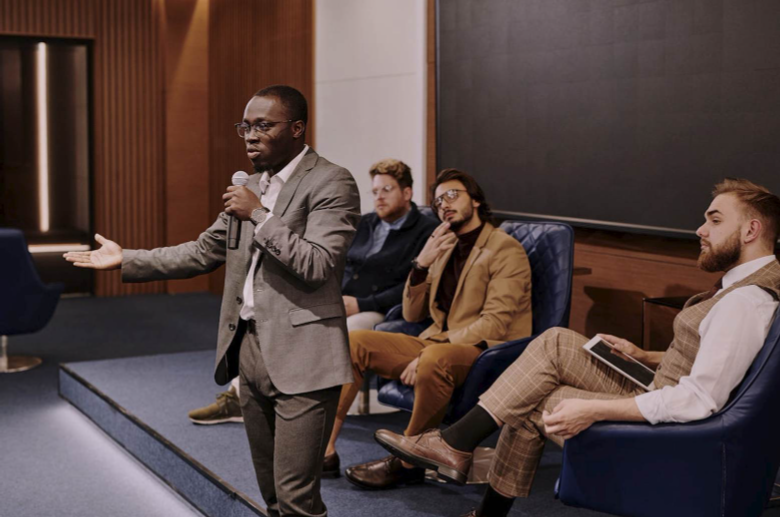
Image Credits: Photo by Henri Mathieu-Saint-Laurent on Pexels
Many managers focus only on giving instructions and setting targets. This approach delivers tasks but rarely inspires. Effective leaders add two more layers:
When you combine what needs to be done, why it matters, and why it’s worth caring about, people listen and engage.
Data informs, but stories connect. Sharing real examples or experiences helps others see meaning in the work. Encourage managers to talk about what matters to them, even outside of work. Speaking with genuine interest builds confidence and makes communication more natural.
Leadership development should not stop at senior roles. Middle managers often face the biggest challenges but receive the least support. Programs that work well include:
People grow faster when they can test ideas without fear of criticism. Bringing managers from different areas together creates fresh perspectives and a supportive community. They can share what worked, what didn’t, and learn from each other.
Authentic communication, meaningful stories, and consistent development create leaders who inspire rather than instruct. This approach not only strengthens individuals but also builds a culture where teams feel valued and motivated to succeed.
Leadership development is most effective when it goes beyond technical skills. It should help leaders understand themselves, receive real feedback, and grow in an environment that supports them.
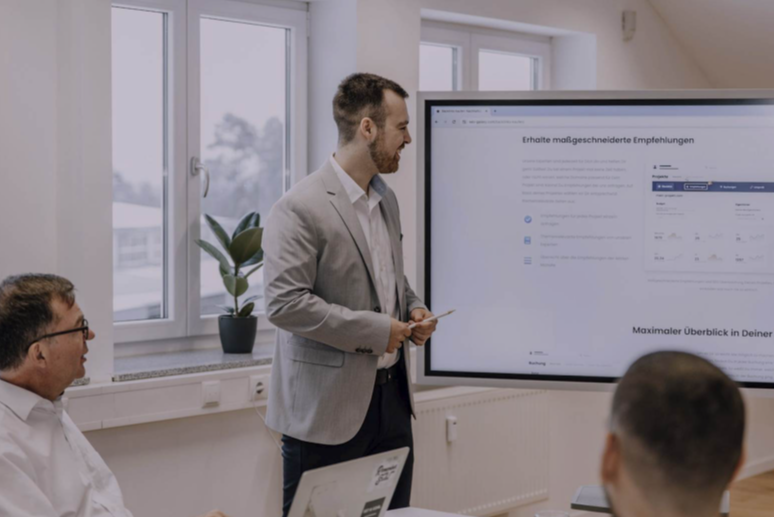
Image Credits: Photo by SEO Galaxy on Unsplash
Skills like communication, empathy, and clarity are vital at every level, and how these skills are applied changes. Senior leaders often face more complex situations but get less honest feedback. Structured programs give them the chance to reflect and improve while keeping those core abilities strong.
Effective programs create space for genuine learning. They encourage participants to explore their personal values, share experiences with others, and connect what they learn to real work situations.
Clear expectations are set at the beginning to build trust and make the environment feel safe. Simple practices help too. A short check-in at the start, where participants share how they feel, allows them to release distractions and focus.
When people feel supported, they engage fully. They try new ideas, share openly, and take more from the experience.
Over time, this leads to:
These programs are not about producing identical leaders. They help individuals know their strengths and use them with purpose. This approach builds workplaces where people trust each other, feel valued, and want to succeed together.
Strong leadership means making choices on purpose, not just reacting when something happens. Acting on instinct alone can create problems, especially in stressful moments. Leaders who take time to think before acting make better decisions and build trust in their teams.

Image Credits: Photo by Thirdman on Pexels
High-pressure situations often push people into automatic responses. Some react with anger or frustration, while others withdraw completely. Both can harm relationships if ignored.
To prevent this, leaders should:
Even a few minutes can help release stress and prepare for what comes next. This small habit reduces tension and improves focus.
Coaching gives leaders space to think, reflect, and plan better strategies. It is not about fixing poor performance. It helps capable people grow and lead with confidence.
Learning coaching skills early, like listening carefully and asking good questions, changes how managers work with their teams. They involve others in decisions, build trust, and create stronger connections at every level.
When leaders use coaching and act with intent, it shapes the whole organization. Teams feel heard and supported. Engagement improves, and people are more likely to stay because they feel valued.
Leading with intent, supported by coaching, creates workplaces where decisions make sense and people thrive. It ensures leaders bring clarity instead of pressure, helping everyone perform at their best.
Entertainment Industry Leadership succeeds when leaders combine clear skills with genuine care for people. Running events well is important, but true success depends on how teams feel and perform.
Leaders who know themselves, explain goals clearly, and support growth create strong and committed teams. Moreover, coaching and regular development keep leaders effective at every stage of their careers.
It helps them stay calm under pressure, think before acting, and involve others in decisions. These habits build trust and improve results over time. When people feel heard and valued, they work with more focus and stay longer.
This benefits the entire industry by creating stable teams and a positive culture. It also ensures that the fast pace of live entertainment does not harm those working within it. For anyone aiming to grow in the Entertainment Industry Leadership, the path is clear.
Focus on people, keep improving your skills, and lead with purpose. By doing so, you build teams that deliver great work and find meaning in what they do. This approach creates lasting success for both leaders and the industry as a whole.
Formal education in management, HR, or business helps, but experience is key. Many leaders combine industry experience with additional training in leadership and coaching.
Networking is essential. Building relationships with peers, mentors, and industry professionals opens doors to new roles and insights.
New leaders often struggle with balancing operations and people management. They must learn to lead teams while meeting tight deadlines.
Start by excelling in current roles, seeking feedback, and taking on small leadership tasks. Training in communication and coaching also helps.
Yes, leaders must adapt to digital ticketing, data tools, and virtual team management. Staying updated ensures smooth operations.
Leader Prompts - enable your leaders with these 50 practical and straight-forward mini-guides to handling common management challenges.
For the less than the price of a coffee a week you can read over 650 summaries of research that cost universities over $1 billion to produce.
Use our Ideas to:
Speak to us on how else you can leverage this content to benefit your organization. info@ideasforleaders.com