


TPB – Daria Ofman: Can Facilitative Leadership in Organizations Improve Team Ownership
Work today feels fast, but also heavy. Teams grow, layers increase, and leaders try to keep control. At first, structure helps. But then things slow down. People stop thinking, and they just follow the steps. You can feel it. Energy drops, and purpose gets lost.
So, the real question is simple. How do organizations grow and still stay sharp, human, and clear? This is where Facilitative Leadership in organizations comes in. It brings focus back to people, and it keeps work grounded in purpose, not just process.
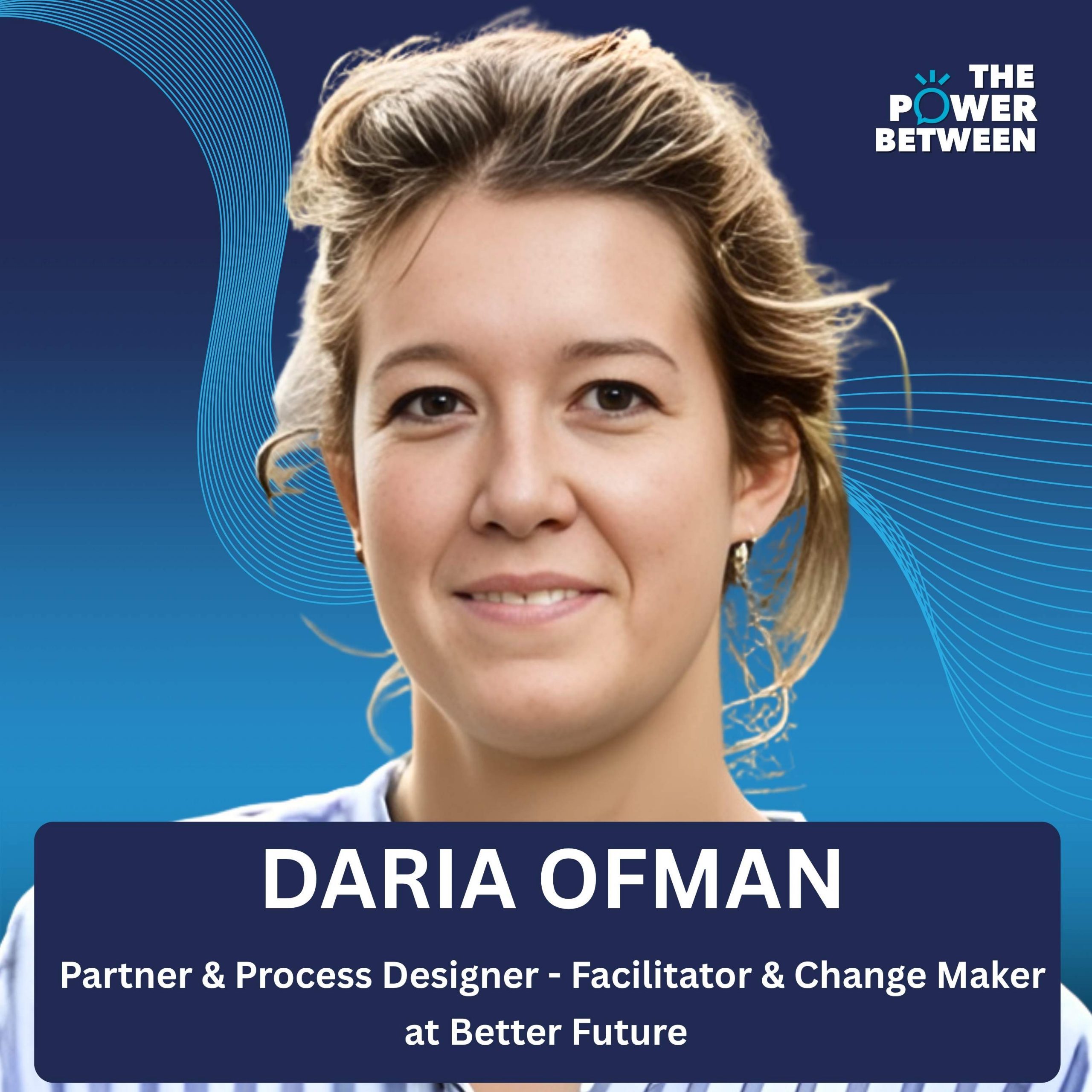
These ideas come from Daria Ofman, Process designer – facilitator & change maker, as well as Partner at Better Future. She works across strategy, psychology, and leadership, with a strong focus on facilitative leadership. Her goal is clear.
Help organizations create space where people take ownership and act with intent. She has worked across Europe, Egypt, Vietnam, and Ghana, so she brings a wide, firsthand perspective.
Earlier, she spent over eight years in Egypt, helping organizations shift from non-profit to for-profit models. She kept that work grounded in integrity. Today, she works with large SMEs and growing teams, helping them stay connected, agile, and human as they scale.
In this article, we will break down what this leadership style looks like in real work. We will explain how it builds ownership, confidence, and action in teams.
Moreover, we will look at the difference between change and transition, and why alignment must come first. Finally, we will show how culture and generations shape leadership, and what leaders must do to keep teams focused and effective.
Facilitative leadership keeps people at the centre of how work happens. Leaders guide and support, but they don’t control every step. They create space so others can think, act, and take ownership.
This matters because many organizations drift the other way. They build more rules, more layers, and more control. At first, it feels organised. Then it slows everything down. People stop thinking, and they just follow the steps.
That said, facilitative leadership brings things back to basics. It focuses on one simple idea. People need to know why they do their work. When that ‘why’ is clear, action becomes easier and stronger.

Image Credits: Photo by Thirdman on Pexels
This style suits growing organizations, especially large SMEs. These businesses sit in an interesting spot. They are big enough to create impact, but still flexible enough to change.
However, growth brings pressure. Teams expand, and communication gets harder. People don’t know each other as well. Slowly, silos start to appear, and things feel less connected.
At this point, leaders face a real test. They need systems to manage scale, but they can’t let those systems take over.
Growth often leads to over-organization. Leaders add more structure to stay in control. It feels safe, but it pulls teams away from purpose.
People then focus on doing things ‘right’. They stop asking if the work itself still makes sense.
So, strong leadership keeps two questions alive:
The second question keeps the organization grounded. Facilitative leadership helps organizations grow without losing clarity, purpose, or energy.
Leadership is not about control. It is about creating conditions where people can act with confidence. Many people hesitate at work.
They want to speak up, but they hold back. They don’t want to cross a line. So, they stay safe and follow directions. Over time, that kills initiative.
Facilitative leadership changes this. Leaders create space where people can think, question, and step in. They don’t try to have all the answers. Instead, they guide and ask better questions.

Image Credits: Photo by Christina Morillo on Pexels
Leaders often treat all shifts as ‘change’. That is where things go wrong.
There are two different realities:
You can manage change quickly. However, you can’t force a transition. It takes time, and it often grows from within teams.
That said, many leaders still try to control it. That slows everything down.
Before anything moves, teams need alignment. Without it, even strong plans fall flat. In most cases, people don’t start to align. One person sees the issue, others don’t. This creates friction and confusion.
So, the first step is simple. Build shared understanding. Use clear words. Make sure people see the same problem. Only then does action make sense.
This approach is not about doing more. It is about stepping back at the right time. Leaders start to shift ownership to the team. They stop leading every moment. Instead, they guide and observe.
A simple way to apply this:
Over time, leaders step back. Teams step forward. People stop waiting. They act when it matters.
Facilitative leadership starts with one shift. Stop carrying everything alone. When one person holds all the responsibility, others switch off. They follow, but they don’t own. That looks efficient, but it weakens the team.
So, leaders must hand over real responsibility, not as a gesture, but as a clear mandate. People need to feel trusted to decide, not just execute. However, this takes time. You won’t see a change in a few weeks. It grows slowly as trust builds.

Image Credits: Photo by Vlada Karpovich on Pexels
People don’t step forward easily. It feels safer to stay quiet and let others lead.
There is also pressure to stay busy. Fast action looks good, even when it adds little value. Slowing down feels uncomfortable, but it creates clarity.
There is a simple difference:
The second is harder, but it actually moves things forward.
Many leaders feel they must have answers. That belief creates pressure and limits the team. Strong leaders do the opposite. They ask questions that shift thinking. A good question pushes ownership back to the other person. It asks them to reflect, not just respond.
Instead of giving direction, ask what they see and why it matters. It feels slower at first, but it builds stronger thinking.
Good leadership needs both structure and presence. Leaders must design how work happens. Meetings, decisions, and roles should support ownership.
At the same time, leaders must stay present and adjust when needed. Preparation helps here. When you prepare well, you can step back during the process.
No one can do this alone. Leaders need support, and systems must allow space. Even small things help, like time, trust, or backing from senior leaders. People act when they feel trusted, supported, and allowed to step forward.
Facilitative leadership rests on the same human basics everywhere. People want respect, safety, and a voice. However, culture shapes how easy that feels day to day.
In flatter cultures, people speak up more. They question ideas and challenge leaders without much fear. In more hierarchical settings, people hold back. Authority carries weight, so silence often feels safer.
That said, culture does not lock behaviour. Teams can choose how they work. Smaller or younger teams often create more open spaces, even inside rigid systems.

Image Credits: Photo by Tima Miroshnichenko on Pexels
Across countries, one pattern keeps showing up. Younger people tend to approach leadership differently. They question more, adapt faster, and feel less tied to a strict hierarchy. They are also more willing to try new ways of working.
However, the size of this gap changes by context. In some places, it is small. In others, it feels huge. A simple reason explains a lot of it. Younger people often feel they have less to lose, so they take more risks.
Many organizations focus too much on output. They push for speed and control, but they forget meaning.
Strong systems need balance. They need people who do the work, people who organise it, and people who keep the purpose clear.
This is not about age. It is about role and mindset. When one part is missing, things start to drift.
No culture gets this fully right. Each has strengths and limits. So, leaders must stay curious. They must learn from other teams and test what works.
In short, strong leadership respects differences, uses generational strengths, and keeps purpose clear as organizations grow.
In short, facilitative leadership keeps work simple, clear, and human. Leaders don’t control every step. They guide, then step back so others can act. This shift matters. People stop waiting and start taking ownership. They speak up, ask better questions, and move work forward with intent.
However, this is not always easy. Growth brings pressure, and leaders often add more rules. It feels safe, but it slows teams down. So, leaders must stay sharp. They must keep asking, ‘Are we doing the right things?’ That question keeps the purpose clear when things get busy.
Moreover, teams need alignment before they act. If people see the problem differently, progress stalls. So, leaders must first build shared understanding. Then action flows more smoothly.
That said, leaders still play a key role. They design how work happens, and they stay present when it matters. But they don’t take over. They trust people to think and decide.
Facilitative Leadership in organizations works because it respects how people think and act. It builds trust, confidence, and real ownership. If leaders stay clear on purpose and give space, teams don’t just follow. They lead.
Leaders need strong listening, clear thinking, and calm presence. They must ask good questions and stay patient. Moreover, they must handle silence and not rush to fix things. This takes practice, but it builds real trust.
Look at behaviour, not just output. Are people speaking up more? Do teams take ownership without being pushed? Also, check how decisions happen. Faster, clearer decisions show real progress.
Many step in too early and take control back. Others ask questions, but still expect one ‘right’ answer. That breaks trust. So, leaders must stay consistent and give real space.
Trust grows through small, repeated actions. Leaders must back people when they take risks. Also, they must stay fair and clear. Over time, people feel safe to step forward.
Yes, but it needs more care. Leaders must create clear spaces for open talk. Moreover, they must check their understanding often. Remote work can hide confusion, so clarity matters more.
Leader Prompts - enable your leaders with these 50 practical and straight-forward mini-guides to handling common management challenges.
For the less than the price of a coffee a week you can read over 650 summaries of research that cost universities over $1 billion to produce.
Use our Ideas to:
Speak to us on how else you can leverage this content to benefit your organization. info@ideasforleaders.com