


TPB – Melanie Steel, FCIPD: Why Does People Change Management Matter More Than Ever Today
Workplaces keep shifting, and people feel that change every day. Teams deal with new goals, new pressures, and plans that move faster than they can process. It creates tension, but it also shows how much good leadership matters.
People want clarity they can trust and guidance that feels steady, not rushed. This is why people change work and now sit at the center of how organizations function and grow.
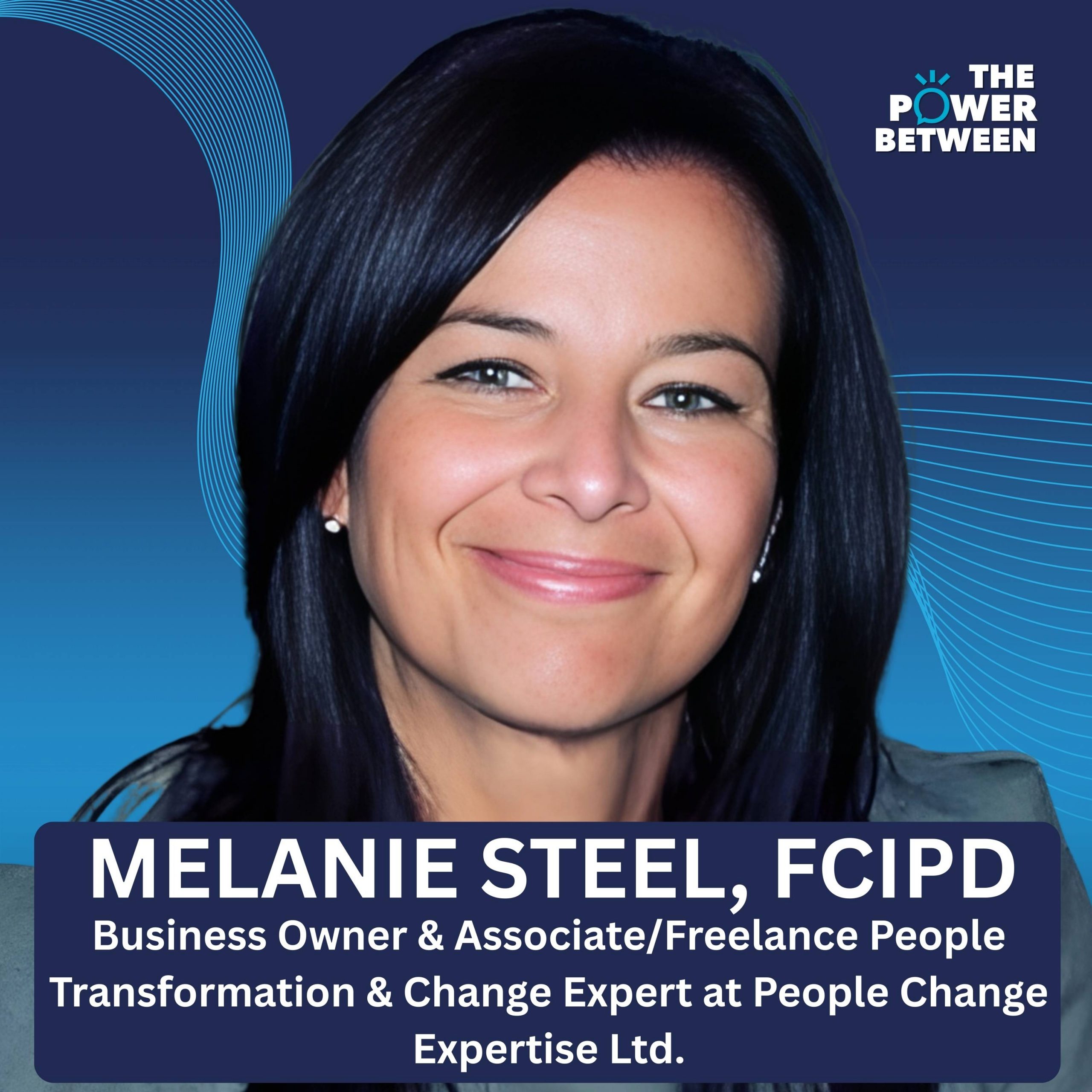
Much of what we understand about this field comes from Melanie Steel, FCIPD, Business Owner and Associate/Freelance People Transformation & Change Expert at People Change Expertise Ltd, with more than a decade of experience helping organizations handle complex shifts.
Her early years in the UK Ministry of Defence shaped her practical style and gave her strong training in leadership, structured change and people management. Today, she blends hands-on delivery with clear strategic advice and support for practitioners who want to build real confidence in this work.
In this article, we look at what shapes a strong career in people change, what skills matter most, why leadership habits influence results, and how People Change Management supports culture, performance and long term success.
A career in people change grows through real work, steady learning, and a clear interest in how people think and behave at work. This field sits right in the middle of organizational life.
It asks you to fix people’s problems, guide teams through change, and support leaders when things feel unclear. The work moves fast, and no two situations look the same, which keeps it interesting.

Image Credits: Photo by MART PRODUCTION on Pexels
Many people enter this field through interim roles that run six to twelve months. These roles focus on solving specific issues and helping leaders move forward with confidence. Each assignment teaches something new and builds practical judgment.
Early career roles matter as well. Jobs that rotate across functions or locations help people learn how different teams work. Structured training also gives a strong base in management and leadership, which proves useful later.
People change work depending on good judgment and a steady approach. Human behaviour doesn’t always follow a clear line. Someone agrees to something today and does the opposite tomorrow. It can drive you mad, but it’s part of the job. Strong people skills help you handle this with calm and clarity.
Some skills grow faster with practice, such as:
These skills shape how well you guide change.
This field shifts often, so staying current is essential. Many people set a yearly learning plan or take on short projects to keep their thinking fresh. This habit helps them stay sharp and adjust to new ways of working.
Success in people’s change comes from curiosity, steady work, and comfort with the messy parts of human behaviour. When someone builds varied experience and keeps learning, they form a strong base for a lasting career in this field.
Many organizations still promote people for technical skill, not leadership. This creates a gap. Someone becomes great at their craft and then suddenly leads a team without the right tools or mindset. When leadership sits on the side instead of at the core, it rarely works well.
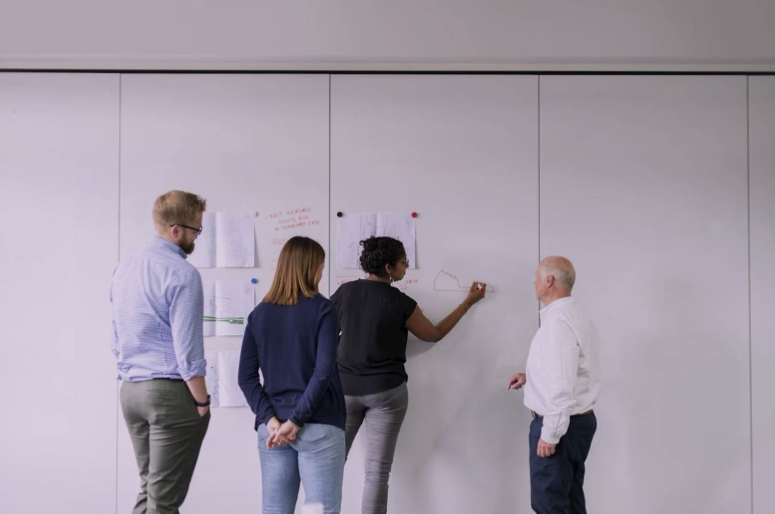
Image Credits: Photo by ThisIsEngineering on Pexels
Companies often say people are their biggest asset, but actions can tell a different story. When work piles up, they pick the person with the strongest technical skill. They assume leadership will follow. Sometimes it does, but often it doesn’t.
Some organizations use structured progression to fix this. Key points include:
These steps give people time to practice leadership before taking full responsibility.
Frontline teams often show stronger people management. The work is visible, fast, and tied to real customers. Managers know their teams, respond quickly, and treat leadership as part of the job.
Office roles feel different. People’s tasks often feel optional. Managers avoid tough conversations or rely on HR to handle problems. Simple questions about someone’s performance or wellbeing sometimes never get asked, and small issues grow unnoticed.
Middle managers are the link between strategy and daily work. They shape team culture and productivity. When they get support, they make changes stick. When left on their own, frustration builds and progress slows.
To help them succeed, organizations need to:
Middle managers carry the weight of making work happen. Supporting them isn’t optional. It’s key for any organization that wants steady, strong performance.
Productivity happens when people know what they’re working toward and feel supported while doing it. Teams don’t need constant pressure to perform. They need clarity, purpose, and a safe environment where they can speak up.
When these elements come together, people work with energy, focus, and real engagement. This is what drives results and keeps organizations moving forward.

Image Credits: Photo by MART PRODUCTION on Pexels
Frequent changes without a clear explanation confuse teams. If leaders push a new priority every week, people stop treating any of them as urgent. Clear direction solves this.
Teams need to understand why a task matters, what success looks like, and how their work fits the bigger picture.
Honest messaging also builds trust. Overpromising leads to disappointment. When leaders set realistic expectations, people engage more willingly and with confidence.
Good people management is central, not optional. It affects how teams feel, behave, and perform. Strong leaders balance two key points:
Balanced management creates strong teams. Tackling low performance while supporting high performers keeps everyone aligned and motivated.
Management feels heavy today. It demands emotional energy, tough decisions, and constant clarity. Many organizations focus on senior leadership programs but ignore the foundational skills middle managers need.
Performance discussions, fair processes, and daily support are crucial. Rebuilding these basics equips middle managers, strengthens teams, and improves productivity.
When organizations focus on the foundations, people management works, and results follow in a consistent, sustainable way.
A strong workplace culture grows from what people do every day, not from flashy programmes or big announcements. It shows how managers treat their teams, how they communicate, and how they handle challenges.
When leaders act consistently, teams feel trust, clarity, and purpose. That makes work more energising and productive.

Image Credits: Photo by Pavel Danilyuk on Pexels
Culture forms through repeated actions, not occasional effort. Small, steady behaviours shape how teams experience work. organizations often focus on big programmes, but the real difference comes from daily habits.
Consistency in leadership helps people understand expectations and feel safe to contribute.
Key elements include:
These small actions create an environment where people engage fully and perform at their best.
How organizations handle tough moments defines their culture. Staff changes or restructuring can challenge trust. The right approach includes clear guidance, honest communication, and preparing managers to have difficult conversations.
When teams see these actions, they feel respected and supported, even during stressful times. This approach strengthens trust and commitment across the organization.
Middle managers connect strategy to daily work. They guide teams, address low performance, and support high performers.
organizations that equip managers with guidance, authority, and resources help them lead confidently. Strong middle managers keep teams productive, motivated, and aligned with goals.
As technology takes over routine tasks, human leadership becomes even more valuable. Skills like empathy, clear communication, and practical people management will define successful teams.
Investing in foundational leadership, building practical skills, and reinforcing consistent daily actions strengthens culture and ensures long-term performance.
A strong career in people change grows through steady work, clear judgment, and a real interest in how people behave at work. The field moves fast, and things shift often, so you need a mindset that stays curious and calm.
You deal with tough moments, unclear plans, and unexpected reactions. That’s normal in this space, and it’s why solid People Change Management matters so much.
The work feels easier when organizations focus on daily leadership instead of big, one-off efforts. People want direction they can trust. They want fairness and honest messages. They don’t need fancy plans.
They need leaders who explain why something matters and who actually follow through. That small consistency shapes how teams feel and how they show up each day.
Middle managers sit right in the centre of all this. They hold the tough conversations, support their teams, and carry the weight of making work run smoothly. They also deal with pressure from above and below, which can tire anyone.
When organizations give them tools, time, and real support, they lead with more confidence and keep teams steady. When they don’t, even simple tasks start to feel heavy.
That said, the future still leans on human leadership. Tools will grow, and tech will take on more tasks, but people still look to other people for clarity and guidance.
Strong habits, honest communication, and steady actions build the kind of culture that lasts. When organizations invest in these basics, they see long term gains and teams that handle change with more trust and focus.
People Change Management needs strong communication, clear judgment, and patience with messy situations. You also learn faster when you stay curious and take on work that stretches your thinking.
It gives people structure when they feel unsure. Clear messages, steady guidance, and fair processes help teams stay grounded and focused when things shift.
People react with fear, hope, doubt, or pride during change. When you understand those emotions, you guide people with more care and keep trust strong.
Start small. Hold short check ins, ask honest questions, and follow through on plans. Confidence grows when you practice these habits daily.
It sits at the heart of the work. Clear words reduce confusion and help people understand what’s changing and why it matters.
Leader Prompts - enable your leaders with these 50 practical and straight-forward mini-guides to handling common management challenges.
For the less than the price of a coffee a week you can read over 650 summaries of research that cost universities over $1 billion to produce.
Use our Ideas to:
Speak to us on how else you can leverage this content to benefit your organization. info@ideasforleaders.com