




TPB – Ian Dinwiddy: What Do Working Fathers Need to Thrive at Work and Home

Families and workplaces are both changing, and the shift feels steady rather than sudden. More fathers want real time at home and a career that still moves forward. Companies feel that pressure too, so they try to shape work in ways that match real life.
You can see this change in small places. A father takes a school run without stress. A team plans around a leave period without fuss. These moments show how far things have come and how far things still need to go for Working Fathers.
Much of what we understand about this change comes from Ian Dinwiddy. He is the Founder & Director of Inspiring Dads Ltd. Ian coaches fathers who try to balance work demands with family routines, and he works with organizations that want to deliver care more fairly. Ian’s approach comes from his own life.
He once stepped into the primary caregiver role while working part-time, and that experience showed him how fixed ideas about gender shape choices for both men and women.
He now uses that insight to help fathers talk openly about care and to guide managers who want to confidently apply parental policies.
In this article, we look at how fathers reshape care at home, how equal leave changes workplace culture, and how open conversations support better choices.
We also explore what organizations do to help, why small actions matter, and how stronger support creates healthier teams and a more stable family life.
Fathers today want solid careers and real time with their kids. This shift feels different from that of past generations, shaping how families plan their days and how workplaces think about care. The change isn’t loud, but it’s steady, and it shows a clear move toward shared responsibility.

Image Credits: Photo by Kampus Production on Pexels
More fathers now want to take part in everyday parenting. They handle school runs, help with activities, and stay involved in early care. To make room for this, many families adjust work patterns so both parents can breathe a little.
Some fathers move to flexible roles or reduce their hours. Others adjust their work when their partner takes on a heavier load.
These choices make parenting feel more balanced. They also show that families don’t need old rules to build a steady routine. When both parents decide what works, the home feels calmer and more predictable.
Workplaces changed fast during COVID. Remote work gave fathers space to stay present at home. A quick pickup at school or a short break for a child’s needs stopped feeling strange.
Policy changes added support. Shared parental leave across the UK encouraged many employers to improve their leave packages.
Strong policies:
That said, some hurdles remain. Statutory pay is low, and self-employed fathers get no support. Some men also feel out of place in groups that center on mothers. Even so, you now see more fathers at school gates, which shows the shift is real.
When fathers take real leave, they grow in confidence and build deeper bonds at home. Mothers feel less pressure, and careers on both sides stay more even.
Workplaces also stop assuming that only women step away for family needs. Modern fatherhood works best when both parents share care, and both workplaces and homes support that choice.
Equal parental leave shifts how an organization sees care and work. When fathers feel able to take real time off from work, it sends a strong message that family life matters. This change supports better well-being and helps people show up at work with more focus and clarity.

Image Credits: Photo by Pavel Danilyuk on Pexels
Many workplaces offer generous leave on paper, but fathers don’t always feel safe using it. Several barriers get in the way:
This tension creates a gap between written policy and day-to-day reality. Fathers in supportive teams feel free to take a longer leave.
Fathers in more rigid settings rush back because they fear losing ground. The difference often comes down to day-to-day signals rather than formal rules.
Managers hold a lot of power in this space. A supportive manager can make leave feel normal and safe. A cautious or silent manager can make it feel risky. Many fathers describe this as a line manager lottery.
However, when leaders talk openly about their own parenting, things shift fast. It permits others to speak and shows that caring for a family doesn’t weaken ambition. It normalises choices that once felt bold.
In workplaces that feel more traditional, starting these conversations can feel awkward. That said, most fathers support other fathers taking leave. Research shows a clear gap between what men think their peers believe and what their peers actually believe.
Simple actions help break the silence:
These steps make caregiving visible and accepted. They also encourage more fathers to use the support they already have, which strengthens both family life and workplace culture.
Fathers deal with real pressure as they move between work and home, and allyship helps lighten that load. When dads talk openly about what feels hard, it encourages others to speak up too.
This simple shift creates a culture where care feels normal rather than something people hide.
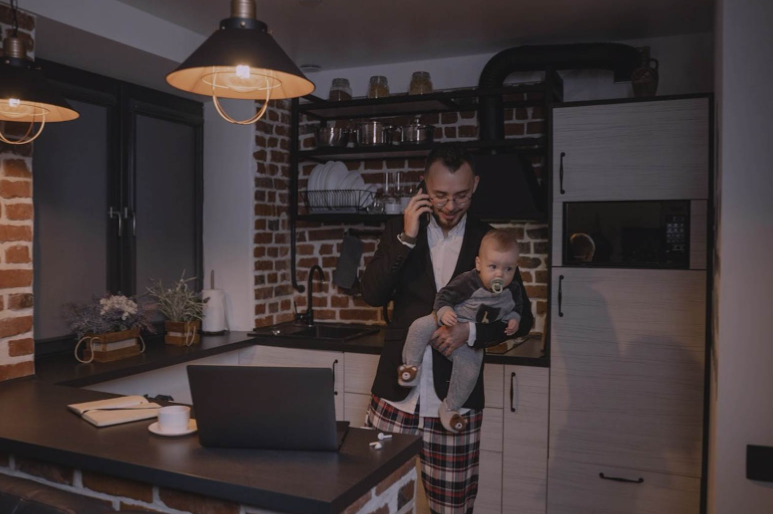
Image Credits: Photo by Tima Miroshnichenko on Pexels
Talking with other dads gives space for honesty. These chats cover early routines, sleep struggles, school worries, and all the small stresses that sit in the background. They also remind fathers that parenting doesn’t stop after the baby months.
Needs rise again during big transitions like starting secondary school, and many dads step in more during those times.
These conversations work because they show fathers that others feel the same mix of pressure and pride. They also help dads understand that support isn’t rare. It’s there when people talk.
Workplaces often focus on support right after a baby arrives, but parenting goes on for years. Fathers might need a day off, a flexible week, or a short break during exam season.
When workplaces treat these moments as normal, people feel valued and safe to ask for what they need.
Parent and carer networks are very helpful. These groups:
They also grow naturally when employees start them, so support doesn’t need to wait for a formal plan.
The UK offers up to 18 weeks of unpaid parental leave per child before the child turns 18. Many parents don’t know this exists. It’s unpaid, so not everyone can use it, but it can help during big family moments outside of normal holidays.
Managers influence how safe a father feels about asking for leave. Some want to help but don’t know the rules well. Coaching for managers and parents helps both sides understand what support looks like. It eases pressure and builds trust.
When fathers speak with each other, and managers support these conversations, workplaces become kinder and more realistic about family life.
Many organizations now understand that supporting fathers during key family moments helps everyone. It improves well-being, strengthens focus at work, and builds trust over time.
The aim isn’t to manage people’s lives. It’s to create a workplace where fathers don’t feel forced to choose between work and family.

Image Credits: Photo by William Fortunato on Pexels
Support often starts with the organization, not the individual. HR teams or parent groups reach out when they want to improve how they handle parental care. They know that fathers often take less leave, even when good policies are in place.
Support usually feels practical, not abstract. Fathers get help planning leave, spotting pressure points, and preparing for changes at home. Conversations focus on real issues like daily routines, care plans, and how work will look after leave ends.
The return to work matters a lot. When a father goes back, family routines often change fast. Clear planning helps avoid stress and confusion. Organizations that recognize this offer smoother transitions and clearer expectations.
Motivations vary, but they tend to fall into three areas.
Some organizations move early and lead the way. Others wait and follow when competitors change. Benchmarking tools help HR teams see where they stand and identify gaps.
When fathers feel supported, they show up with more energy and patience. Teams feel safer and more connected. Workplaces that ignore family needs often pay later through burnout or quiet exits.
Support for working fathers isn’t a soft extra. It protects performance, strengthens culture, and helps organizations keep people who want to grow at work and at home.
Working fathers show how care and work can support each other when the right structure is in place. Their choices highlight a clear truth. Families work better when both parents share the load, and workplaces grow stronger when they respect that balance.
This shift isn’t loud, but it’s steady, and it pushes everyone to think with more honesty about what people need to thrive. When fathers feel safe to take leave and speak about care, they return to work with more clarity and less tension.
That confidence spreads across teams. It improves trust, lowers stress, and helps people stay engaged without feeling torn. Mothers feel this change too because the weight of care doesn’t fall on one person. Both careers get room to grow.
Moreover, workplaces that give support at the right moment protect their long-term performance. They keep people who want to stay, and they avoid the slow drain that comes when someone feels unseen at home or at work.
This support doesn’t need grand plans. It needs managers who listen, policies that match real life, and small everyday signals that show care matters.
That said, the future of this shift depends on two things. Fathers need to keep using the support they have, and organizations need to keep responding with simple, steady actions. When both sides stay engaged, everyone wins.
Working Fathers often feel torn between work tasks and new routines at home. Many try to keep pace at work while learning new care skills. This mix can create stress if support feels unclear.
They can start with a clear plan that shows how work will stay on track. A short, honest talk helps set expectations. Most managers respond better when they see structure and trust.
Yes, many do. Some fear falling behind or losing chances. Clear signals from leaders and teams help reduce that fear and make leaving feel normal.
Simple habits work well, like agreeing on one daily task at home or planning short blocks of family time. These steps keep the connection strong even when work feels intense.
They can share daily routines, take on fixed tasks, and stay open about what feels hard. This teamwork helps both careers move with less tension.
Leader Prompts - enable your leaders with these 50 practical and straight-forward mini-guides to handling common management challenges.
For the less than the price of a coffee a week you can read over 650 summaries of research that cost universities over $1 billion to produce.
Use our Ideas to:
Speak to us on how else you can leverage this content to benefit your organization. info@ideasforleaders.com