

TPB – Jo Hoggarth: What Helps Teams Reach a Healthy Scale Without Losing Culture
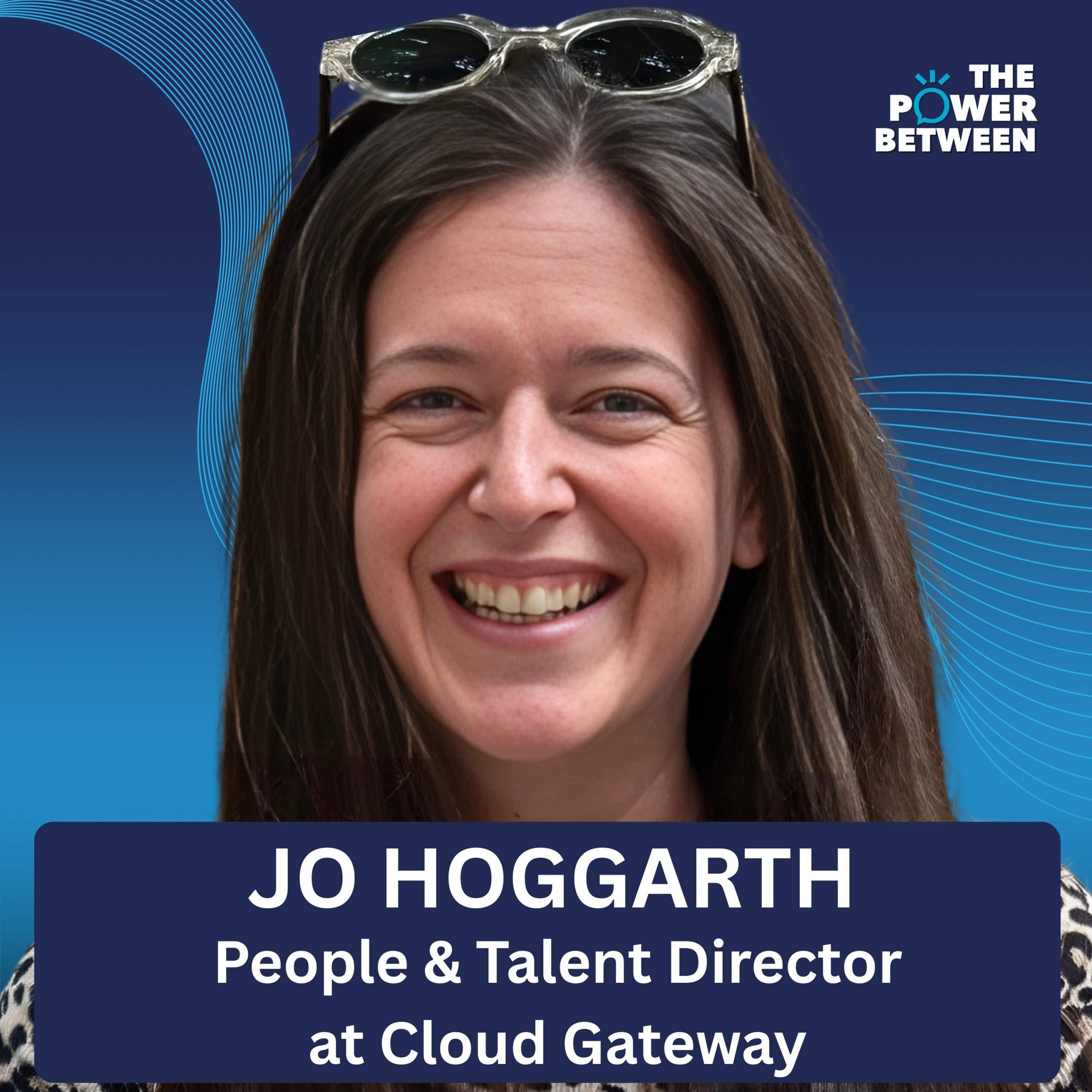
Growth has become a familiar challenge for many companies today. Teams get bigger, plans move faster, and the work becomes more complex. People feel that shift long before new structures appear. Some enjoy the clarity that growth brings, and others feel unsure about what might change next.
Both reactions are normal. What matters is how leaders hold the culture steady while the business grows. That balance shapes whether a company reaches a healthy scale or slips into confusion.
Jo Hoggarth has spent years working in these moments of change. She is the People & Talent Director at Cloud Gateway, a UK tech company that moved from startup to scale up and now runs with a team of about forty people.
She joined at the end of 2023 during a busy phase of expansion, and her work covers culture, engagement, learning, and people strategy.
Her background in recruitment and HR, along with experience across property and tech, shaped her focus on clear communication, shared learning, and environments where people feel safe to speak and grow.
She introduced programmes like Culture Club, quarterly feedback cycles, lunch and learns, and a full leadership academy to help the company move forward with confidence.
In this article, we look at what culture needs during growth, how learning supports teams, why psychological safety strengthens leadership, and how OKRs, career paths, and steady communication help people stay aligned as the company scales.
A scale up phase changes how a company works day to day. Teams grow, roles get clearer, and expectations rise fast. Culture feels that pressure first. If leaders ignore it, cracks show quickly. If they guide it with care, the company stays steady while it grows.

Image Credits: Photo by Edmond Dantès on Pexels
Growth brings structure. Work stops running on shortcuts and starts following clear plans. That shift helps delivery and focus, but it can also create tension.
Some people enjoy the clarity. Others miss the old pace. That’s normal. What helps most is simple communication. People want to know why things change and what stays the same.
As a company grows, hiring matters less than how people work together. The focus shifts toward three clear areas:
This focus keeps teams aligned while expectations change.
Culture should change as the company matures. Keeping everything the same rarely works. The goal is to protect what already works well and adjust the rest. Collaboration, openness, and shared ownership matter even more during growth.
New processes appear too, but they should save time, not slow people down. Clear reasons behind each change reduce stress and confusion.
Culture works best when everyone owns part of it. HR supports the effort, but leaders must show it daily. Employees also need space to speak up.
A quarterly culture lunch helps. A small, rotating group talks openly about what works and what feels off. These conversations feel human, not formal. Regular surveys add structure, but action builds trust. People want to see results, not just questions.
Hiring supports culture as well. A culture interview checks values and openness. Skills matter, but mindset shapes teamwork.
When these habits stay consistent, growth feels challenging but manageable. Culture stays strong because people feel heard and included.
Learning programs help a company grow with less stress and more clarity. They give people shared moments to think, talk, and learn together. During a scale up, this matters a lot. Work moves fast, and without space to learn, people fall back into silos.

Image Credits: Photo by Tima Miroshnichenko on Pexels
Lunch and learning create a simple pause in a busy week. People step away from tasks and focus on learning together. That alone changes the energy. These sessions run every two weeks and stay open to everyone.
Topics stay broad on purpose. Some sessions focus on technical work like cybersecurity or marketing basics. Others cover everyday skills, such as managing an inbox or small habits that improve focus. This mix keeps things human and useful.
Early hybrid sessions felt awkward. Remote attendees felt invisible, which caused frustration. Clear guidance for hosts fixed that problem.
Now sessions include everyone, and conversations often continue on Slack afterward. That follow up shows real engagement. It also makes learning feel less lonely since many courses happen alone.
A leadership academy gives managers and leaders a shared base. It treats leadership and management as linked skills. You can’t lead well without managing well, and the reverse also holds true.
The academy uses a coaching style instead of long slide decks. This approach invites discussion and honest reflection. People learn from each other, not just from content.
Key benefits include:
An external facilitator helps keep the space open and focused. The program produces a clear workbook for future managers. Parts of the learning also flow into lunch and learning, so the wider team benefits.
Both programs stay simple by design. They don’t add noise. They add clarity, confidence, and connection.
Psychological safety shapes how freely people speak and act at work. If people feel unsafe, they hold back.
Growth adds pressure, so teams need clear ways to share feedback and fix issues early. When done right, feedback builds trust and strengthens leadership at every level.

Image Credits: Photo by Anna Shvets on Pexels
A clear feedback system makes speaking up easier. A 360 feedback tool lets people ask for input on projects, habits, or teamwork.
They choose who responds, which adds comfort and control. Anonymous options exist, but open feedback usually builds stronger trust.
Good feedback always follows a simple structure:
Vague comments frustrate people. Clear comments help them grow. Receiving feedback can feel tough, and that’s normal. A short pause helps. Then people reflect and pick one step to improve.
Managers serve as the first support point. They help shape feedback and guide next steps. Leadership training gives managers confidence to coach rather than avoid hard talks.
HR supports when needed, but teams work best when problems stay close to the work. This approach builds skill and ownership across the company.
People copy what leaders do. When leaders share honest feedback about what works and what doesn’t, others follow. This removes fear and keeps focus on solutions, not blame.
That mindset encourages:
Feedback then becomes routine, not stressful.
Small teams see everything. Growth changes that fast. Leaders must stop doing everything themselves and start delegating with trust. That shift feels hard, but it matters.
Clear OKRs help. They show ownership and progress, which supports smart delegation. When safety and feedback stay strong, people step up, lead where they stand, and help the company grow with confidence.
Growth changes how work feels across the business. Roles stretch, decisions slow down, and leaders carry more weight. Clear systems and honest talk help teams adjust without losing momentum.

Image Credits: Photo by Ninthgrid on Pexels
OKRs give teams a shared view of what matters each quarter. They turn big goals into clear objectives and show how work should flow into teams. This setup supports delegation, which becomes essential as leaders step back from daily tasks.
Letting go can feel hard. Many leaders think it’s faster to do the work themselves. That habit doesn’t scale. Tools, clear goals, and steady support help leaders trust others and focus on direction instead of delivery.
Not everyone wants to manage people. Some people do their best work when they stay hands on and technical. That choice deserves respect.
A competency matrix helps by offering two clear paths:
Transparency matters here. Smaller companies can’t promise every role forever. Honest conversations help people plan ahead and avoid surprises later.
Some roles need both leadership and technical skill. That mix can be tricky. Some candidates want to lead but avoid hands-on work. Others want the opposite. The business must decide what the role truly needs and where flexibility makes sense.
Budget and team size often limit options. Tradeoffs become part of the decision, so clarity matters more than perfection.
Culture stays a top priority because it shapes how people act and decide. Delegation and communication follow close behind. As teams grow, messages travel slower and can change along the way.
Leaders need to check if people hear the right updates and feel included. Remote employees add another layer. When only a few work remotely, they can feel invisible. Regular team meetups, clear check ins, and quarterly in person sessions help close that gap.
Growth brings tension, but clear goals, honest paths, and steady communication make it manageable.
Growth works when people feel steady as things shift around them. A company reaches a healthy scale when it protects culture, builds trust, and keeps communication clear. These habits support teams through busy seasons and give leaders room to guide instead of chase tasks.
Strong feedback routines help too. People speak with more honesty when they feel safe and know their voice matters. Managers then coach with confidence and help their teams act instead of wait. That rhythm builds shared responsibility, and it strengthens the whole organization.
Clear goals also shape growth. OKRs show what matters and cut the noise. They help leaders delegate the right work and give others space to step forward. When people understand their path, whether technical or leadership based, they work with more purpose and less confusion.
Culture remains the thread that ties all of this together. It shapes how people treat one another and how they handle pressure. It also guides decisions when plans shift or new people join.
And when communication stays open, remote and in office teams feel connected instead of lost.
Growth will always bring tension, but it becomes easier to carry when people feel heard, supported, and trusted. That is what keeps a company steady as it moves into its next stage.
Teams keep speed when leaders set clear priorities and remove extra steps. People work faster when they understand what comes first and why it matters. Regular check-ins help everyone stay aligned.
More people means more voices and more gaps. Messages lose shape as they move across teams. Simple language and repeated updates help close those gaps and keep everyone on the same page.
Strong onboarding gives new people a fair start. It shows how the company works and what matters most. Clear guidance early on reduces confusion later.
Burnout drops when leaders set limits and protect focus. People need room to rest, reset, and ask for support. Small wins also help teams feel steady during busy seasons.
Values guide people when things move fast. They shape choices and help teams act with confidence. When values stay clear, culture stays stable.
Leader Prompts - enable your leaders with these 50 practical and straight-forward mini-guides to handling common management challenges.
For the less than the price of a coffee a week you can read over 650 summaries of research that cost universities over $1 billion to produce.
Use our Ideas to:
Speak to us on how else you can leverage this content to benefit your organization. info@ideasforleaders.com