


TPB – Charlotte Lamb: Why Does People Management Matter in Creative Work
The events world moves fast, and people often wear many hats at once. Teams grow, roles shift, and the pressure to keep things moving never really fades. That pace can feel exciting, but it also raises a simple question.
How do you support people well when the work keeps changing? And how do you build skills that stay strong in busy, high-stress moments? These questions shape much of today’s thinking about People Management, and they sit at the centre of this article.
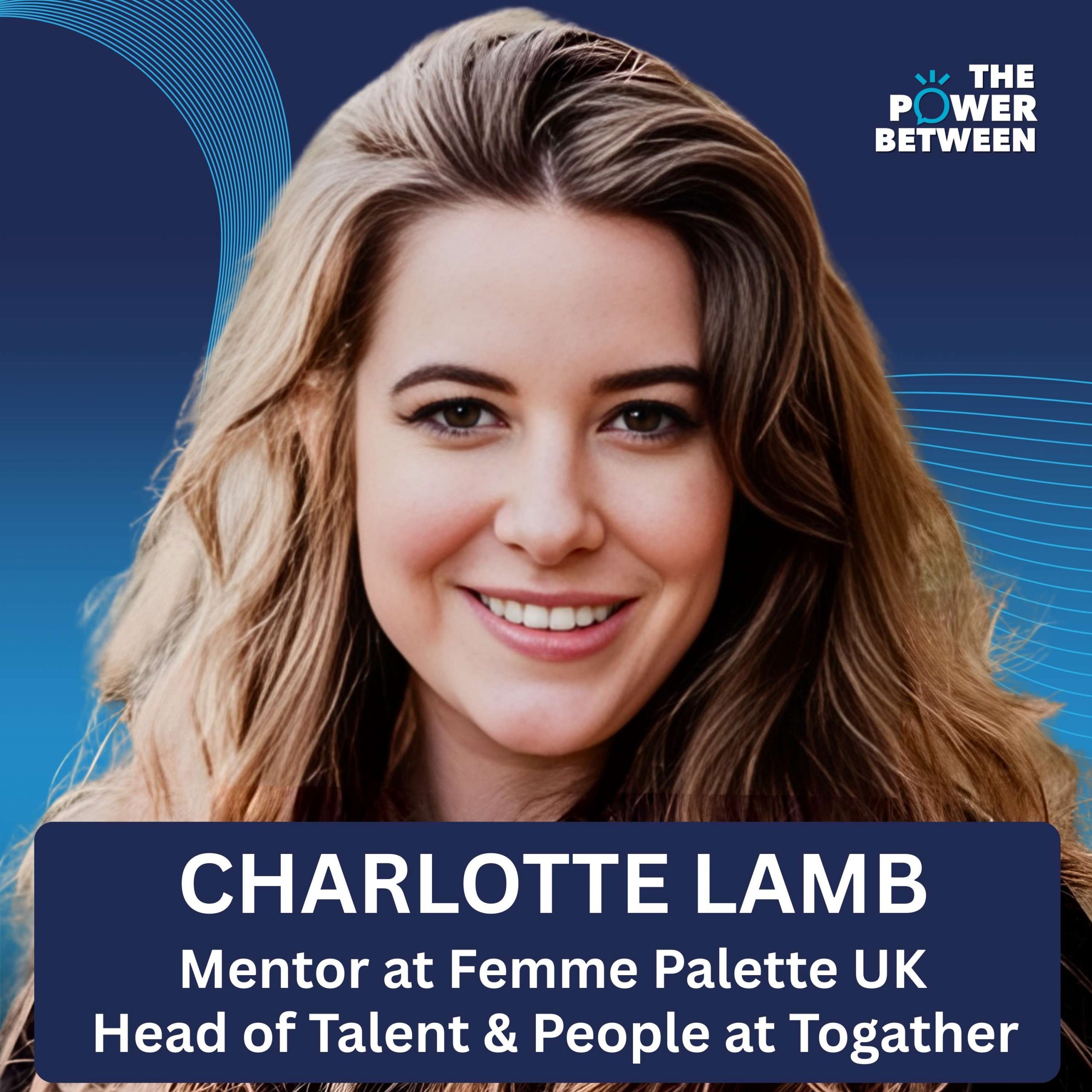
Charlotte Lamb brings a rich mix of experience to this topic. She is a Mentor at Femme Palette UK and Head of Talent & People at Togather, an events business that curates food and drink for major festivals, stadiums, and large live events across the UK.
She joined when the team had about twenty people and helped guide its growth to around fifty. Her work touches every part of hiring, culture, performance, and daily support.
Before Togather, she worked in creative and marketing recruitment, completed her CIPD qualification, and later supported large agencies that delivered events for clients like American Express.
Her early theatre training with Lambda and RADA shaped how she speaks, leads, and builds others’ confidence, and she now mentors widely while keeping her own support circle close.
In this article, we look at how theatre skills support better communication, how events teams stay steady while they scale, how freelancers work well with clear structure, and how mid-level managers grow when they get trust, guidance, and space.
A theatre background gives you practical skills that help in everyday work. It teaches you how to speak with confidence, hold the attention of your audience, and stay calm when all eyes are on you. These skills follow you long after you leave the stage.

Image Credits: Photo by MART PRODUCTION on Pexels
Theatre pushes you to stand up in front of others, even when your stomach twists a little. You learn how to breathe, speak, and stay steady.
With time, that fear loses its grip. This confidence works well when you present ideas to senior leaders or guide a team through change. You don’t freeze. You speak with purpose.
Theatre also sharpens how you read a room. You start to notice small shifts. A face that looks unsure. A group that leans back. A moment that calls for a pause. This awareness makes your communication clearer, because you respond to how people feel in real time.
People’s roles need strong communication. You often need to explain decisions, build trust, and keep others engaged. A few scattered skills help here:
This mix helps people understand and support what comes next.
HR rarely starts as someone’s first choice at sixteen. People arrive from different paths, and that mix makes the field stronger. Some bring numbers and structure. Others bring brand, story, or creative thinking. Each view adds something useful.
Moreover, people feel more fulfilled when you can shape culture, not just place people in roles. Work feels richer when you help a team grow and see the results around you.
In short, theatre builds confidence. Varied experience builds depth. Together, they help you lead with clarity and heart.
Events businesses grow fast, and the pace rarely slows. That sounds exciting, but it also stretches people. So, you need a structure that keeps things steady and fair.
Image Credits: Photo by ThisIsEngineering on Pexels
When a team jumps from 20 to 70, pressure builds quickly. Workloads rise, roles blur, and support can feel thin. Many teams later settle on a size near 50, and that size often feels right.
At this size, culture feels real. You don’t get lost in layers.
Events look seasonal, but a mixed portfolio changes that. Summer brings festivals. Football runs throughout the year. Winter brings light trails and other projects. So the work doesn’t really stop.
As a result, the business creates its own rhythm. A twice-yearly review cycle helps. Reviews happen in March or April and again in October. This avoids the peak summer rush. It also keeps things fair because everyone follows the same process at the same time.
Event work can feel chaotic. Long days on site. Tight deadlines. High energy. Without structure, people burn out.
Clear rituals reduce that strain. They give people something steady. Three principles sit at the core:
When people know what to expect, anxiety drops. Trust rises.
Freelancers now support more events, which protects the permanent team. However, they shouldn’t feel like outsiders. The business provides them with context and clear standards so they can represent the brand well.
In short, steady rituals, clear rules, and smart use of freelancers keep the business strong through constant activity.
Freelancers choose independent work because it fits how they want to live. They enjoy setting their own pace and taking on different projects.
However, they still deal with long days, tight deadlines, and tough site conditions. So they need clear support, even if they only join for a short time. The right structure helps them feel steady without taking away their freedom.

Image Credits: Photo by Vlada Karpovich on Pexels
Freelancers focus on the job at hand, not the long-term mission. That said, they still want simple guidance so they can do good work.
A clear brief, a known contact, and fair treatment make a big difference. These small steps help them feel connected to the team, even if they leave again next week.
Permanent teams need coaching, one-to-ones, and long-term development. Freelancers don’t stay long enough for that. They arrive, deliver, and move on. So managers need a lighter touch and a clear message.
Two things matter most:
This creates trust without heavy systems that don’t fit short-term work.
Middle managers deal with the most movement. They handle rotating freelancers while keeping deadlines on track. They need tools that keep things simple.
Clear KPIs, a basic hiring guide, and space to learn through hands-on work help them grow with confidence. Because freelance hiring carries less long-term risk, it becomes a good first step into management.
Freelancer lists grow fast. Without a clear process, it becomes hard to track who should return. A simple system for recording performance and notes keeps quality steady and protects the wider team.
When clarity, fairness, and trust guide the work, freelancers and permanent staff fit together well, even in a fast-paced events environment.
Mid-level managers often sit in the middle of everything. They deliver the work, support their teams, and think about what comes next for them. They need clarity, trust, and space to grow. Without that, they can feel stuck or stretched.

Image Credits: Photo by Alena Darmel on Pexels
Autonomy matters. When managers own their work, they feel trusted. They make decisions, test ideas, and learn from results. That builds confidence fast.
Many growing organizations promote people early. Some leaders step into management for the first time. They don’t always have years of experience. So, they learn by doing. That works well if support sits close by. However, autonomy must come with guidance.
Managers still need:
Because teams are still small, this support can stay personal. It doesn’t need heavy programmes or thick manuals.
Live events and festivals have grown quickly in recent years. Many managers bring strong talent but not decades of field experience. This keeps energy high and ideas fresh.
That said, constant change can wear people down. After enough experiments, teams need steady habits. Clear rhythms and shared processes reduce doubt. They help people feel like nothing has shifted every month.
Mid-level managers often ask quiet questions. Should I lead bigger teams? Should I stay a specialist? What am I good at?
They usually know their strengths. Leaders should listen and trust that. Mentorship helps a lot. External mentors bring wider experience. Peer mentors bring honesty and shared stories.
Together, autonomy, simple rituals, and thoughtful guidance help managers feel steady, capable, and clear about where they’re heading.
The whole picture shows one clear thing. People do their best work when they feel steady, trusted, and understood. Theatre builds confidence that lasts. Events work teaches focus and calm under pressure.
Freelancers remind us that clear steps matter. Mid-level managers show us how much people need space to grow. All of this connects, and it shapes how strong People Management feels in real life.
Good work habits make a big difference. When teams know what good looks like, stress drops. When reviews follow a set rhythm, people feel safe. When leaders speak with a steady voice and listen with care, trust grows fast.
That said, teams still need room to adjust, since work often changes. A simple mix of structure and flexibility keeps things grounded.
Managers grow when they own their choices and still have support close by. Freelancers do well when they understand the brief and feel respected. And everyone benefits when the whole system stays fair, clear, and honest.
In the end, it’s not about grand ideas. It’s about small, steady actions that help people feel ready for the work ahead. When that happens, teams stay strong, and the whole organization moves with purpose.
Trust helps people speak honestly and ask for help early. It also keeps teams steady during change. Without trust, even small problems feel heavier.
It offers simple guidance, space to learn, and honest feedback. New managers grow faster when they can try things with support close by.
Confidence helps leaders speak clearly and guide others through tough choices. It also sets the tone for how teams show up each day.
Fairness needs clear rules and equal processes for everyone. Shared review cycles and open communication help keep things balanced.
It keeps communication steady and expectations clear. Regular check-ins and simple updates help people stay in sync, even from afar.
Leader Prompts - enable your leaders with these 50 practical and straight-forward mini-guides to handling common management challenges.
For the less than the price of a coffee a week you can read over 650 summaries of research that cost universities over $1 billion to produce.
Use our Ideas to:
Speak to us on how else you can leverage this content to benefit your organization. info@ideasforleaders.com