
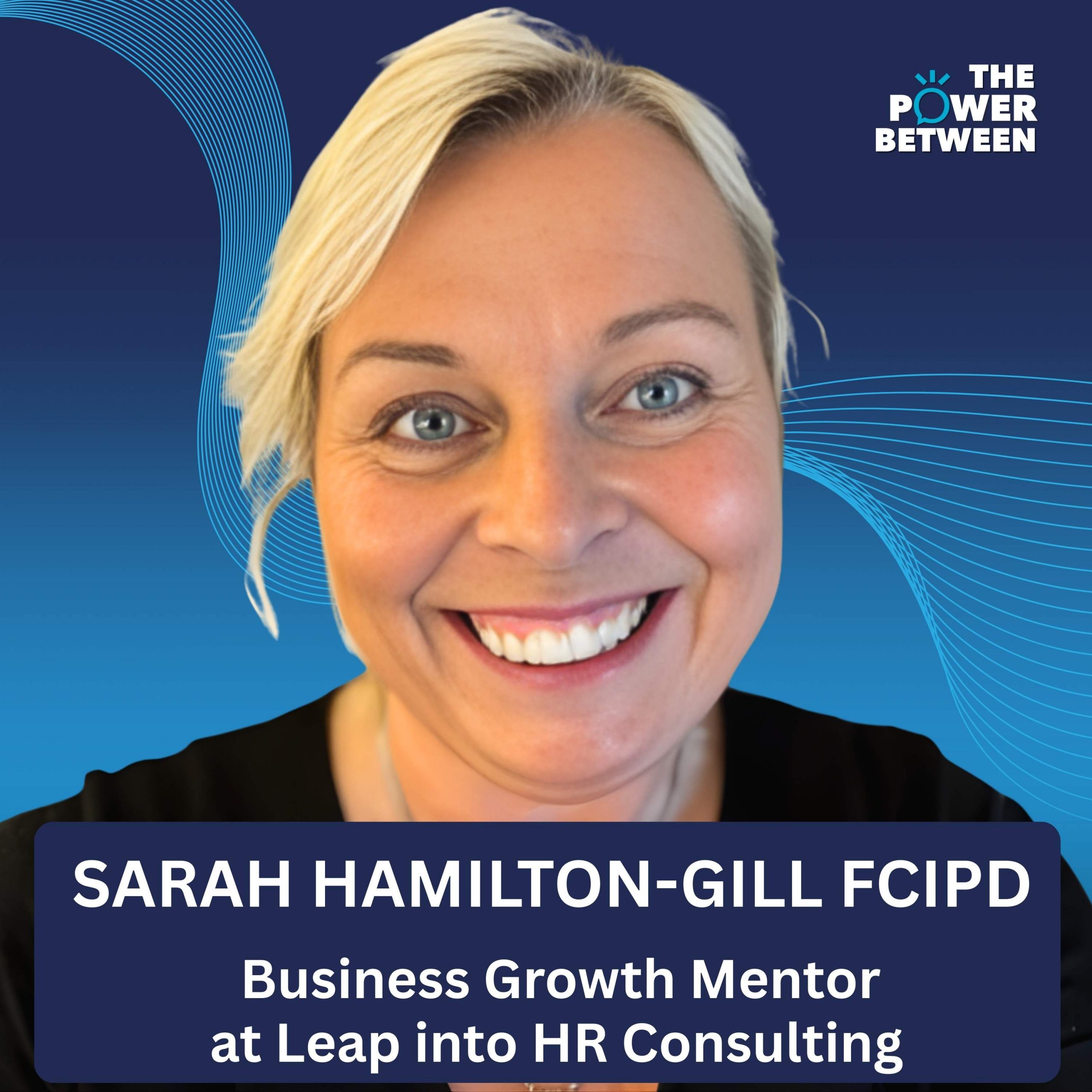
TPB – Sarah Hamilton-Gill FCIPD: Why Are So Many Leaders Turning Towards HR Consulting
The HR world sits in a period of real change. Workloads keep rising, and many teams feel caught between heavier demands and slower systems. Decision-making takes longer.
Meetings fill whole days. Simple tasks turn complex for no good reason. It’s no surprise that many HR professionals step back and question if the work still feels right.
Some want more control over their time. Others want space to think and do meaningful work. This shift explains why interest in HR Consulting continues to grow as people look for a better fit.
Many of these trends come into focus when we look at the experience of Sarah Hamilton-Gill FCIPD. She has spent more than 30 years working across corporate HR and consulting, starting in the fast-paced UK retail sector of the 1980s and 1990s.
She later built a strong consulting career helping start-ups, large companies, and public bodies deal with leadership and people challenges.
She is the Founder, Managing Director, and Consultant at GlobusHR Consulting Ltd and Business Growth Mentor, published author, podcast host, and speaker at Leap into HR Consulting, a programme that has helped more than 300 HR professionals build their own consulting businesses. Her work sits at the centre of leadership, flexible working, psychometrics, AI, and long-term career health.
In this article, we look at why many HR professionals move into consulting, what pressures shape that choice, how AI and new work patterns are influencing HR today, and what organisations can do to support leaders while retaining experienced talent.
Many HR professionals move into consulting because corporate life often feels heavy and slow. Decisions drag on. Processes pile up. Politics creeps into simple work.
Over time, this wears people down. Consulting offers a clearer way to work. It brings variety, faster progress, and more say in daily decisions. For many, that shift feels refreshing and practical.

Image Credits: Photo by MART PRODUCTION on Pexels
Corporate HR roles come with constant pressure. Calendars fill fast. Meetings replace thinking time. Admin work crowds out real people’s leadership. As the load grows, so does frustration. People start asking a fair question. Is this work still worth the effort?
A common pattern shows up. Many step into leadership because it feels like the next career move. Yet reality hits hard. Leading people takes energy, patience, and constant focus.
Not everyone enjoys that part. Some realize they feel better doing technical work. Others feel relief when they step away from people management. It’s not a failure. It’s clarity.
HR consulting did not always stand on its own. In the past, it sat inside management consulting teams. Over time, the market changed. Smaller businesses grew in number and influence. Today, almost 90 percent of UK businesses are SMEs.
These businesses often share a few traits:
This shift opened doors for HR consultants who want focused, flexible work.
Despite differences in size or sector, people’s issues repeat. Leadership sits at the center. Managers feel stretched and tired. They struggle to find space to lead well. Many step away from leadership roles because the cost feels too high.
One truth stands out clearly. Leadership is a skillset, not a title. When people take on leadership without the desire or fit, burnout follows. Organizations then lose strong talent.
Managers want to lead well. But daily noise keeps getting louder. When leadership feels draining instead of rewarding, people rethink their path.
Consulting offers an answer. It lets HR professionals keep meaningful work while leaving behind systems that no longer serve them.
Leadership pressure keeps rising, and many managers feel stretched every day. Their time is filled with admin, meetings, and small tasks that never seem to end.
Real leadership then slips to the side. To keep up, many work late into the night. That effort feels necessary, but it slowly drains energy and focus. Over time, performance suffers and so does well-being.

Image Credits: Photo by Antoni Shkraba Studio on Pexels
The first step is simple. Look closely at how leaders spend their working hours. Many tasks don’t need leader input at all. Repetitive work can shift to AI tools that handle it faster and with less effort. This change gives leaders space to think, plan, and support their teams.
However, when organisations ignore this, leaders lose their best hours during the day. They then push important work into personal time. That pattern doesn’t last. Fatigue sets in, and decision quality drops.
Leadership development often disappears when budgets tighten. That choice creates problems later. Strong leadership skills keep teams steady and focused. They also reduce stress across the business.
Good development does several things:
Without support, managers avoid promotions because the cost feels too high. Teams then lose direction, and pressure builds quietly.
Work expectations have changed, and people know it. Many want flexibility and won’t stay without it. Forcing full office returns often leads to higher turnover. Flexible options, on the other hand, help people manage energy and stay committed.
Smaller organizations often do this well. They stay close to their teams and notice strain early.
Hiring today asks a lot of candidates, yet many organizations give little in return. Long processes and slow replies push good people away. A better approach includes:
Once someone joins, onboarding must continue that respect. When people start strong, they contribute faster and stay engaged longer.
Uncertainty in hiring affects people more than most leaders realize. A clear yes or no feels tough, but silence feels far worse. That same uncertainty now sits with managers, too.
New rules and legal risks make many worry about saying the wrong thing. This fear slows honest conversations and removes the human touch that work really needs. When people feel unsure, they pull back, and the tension grows on both sides.

Image Credits: Photo by Mikhail Nilov on Pexels
Psychometrics now help many teams understand what drives someone and how they work. Three motivators show up often for people moving into consulting:
Personality expectations have changed as well. Consulting once seemed suited only to extroverts. Today, many quieter personalities thrive because remote work and digital tools support diverse working styles.
It makes more sense to fit the business to the person rather than force the person into a fixed model. Motivational Maps and DISC are common tools because they open useful discussions about strengths, behavior, and team dynamics.
That said, they must be used with care and respect. Accredited tools come with strict rules, and they should help people grow, not influence decisions like redundancy.
Senior leaders work on strategy and long-range thinking. Middle managers work closely with people and face daily pressure. They guide teams through conflict, change, and stress.
These skills keep organizations steady, yet they don’t always get the credit they deserve. Moreover, without the right support, middle managers face strain from every direction.
AI now helps leaders save time on routine work. It drafts emails and reports, summarizes long documents, supports customer service, and speeds up performance reviews.
When leaders use AI with care, they gain more space to think, plan, and support their teams. This shift removes noise from their day and helps them work with greater clarity.
AI now helps many people work faster and think more clearly. Yet most organizations still struggle to turn that into real progress at scale.
The problem isn’t the tools. It’s the systems around them. When workflows stay the same, AI benefits stop at the individual level.

Image Credits: Photo by cottonbro studio on Pexels
AI can’t sit inside old ways of working and still deliver results. Organizations need to rethink how work flows, how roles connect, and how decisions move.
That change feels uncomfortable at first. Things break. Routines shift. People wonder if it was worth starting.
However, this phase doesn’t last forever. Once the dust settles, work becomes clearer and more efficient. Leaders gain time back.
Teams move with more focus. Larger organizations feel this pain more because size slows change. That’s why they need structure and patience, not quick fixes.
Many senior HR professionals leave corporate roles after years of experience. They don’t leave because they dislike HR. They leave because the structure around the work limits them. Slow decisions, office mandates, and constant politics wear people down.
Consulting offers something different. It gives more control over time, more flexibility, and space to do meaningful work. That’s why new HR consulting businesses keep appearing.
Many start small, but they grow as demand increases. This trend sends a clear signal. Skilled people want work that fits their lives, not the other way around.
Organizations don’t have to lose this experience. They can change how senior HR roles work. Practical options include:
These steps don’t weaken organizations. They strengthen them. When people feel trusted and valued, they stay. They bring fresh ideas, wider insight, and steady leadership that helps the whole business move forward.
In short, many HR professionals want to do good work without constant drag and noise. Corporate roles often add layers that slow down decisions and drain energy.
Over time, that pressure builds, and people start to question the trade-off. They don’t stop caring about people. They stop accepting systems that block progress.
This is why HR Consulting keeps growing. It offers clarity, pace, and space to think. It lets professionals focus on the problems that matter to people, not endless processes. That freedom feels refreshing and practical. Work gets done, and it gets done well.
However, organizations still have choices. They can reduce overload, support leaders properly, and use AI to remove low-value tasks. They can offer flexibility and trust instead of control. When leaders feel supported, they stay engaged and perform better.
That said, change takes effort. It asks leaders to rethink how work flows and how value shows up. Yet the payoff is clear. People bring energy, ideas, and focus back into their roles.
In the end, work should fit real lives, not fight them. When that balance exists, both people and organizations move forward with confidence.
Strong listening skills are essential because clients want clear support. You also need steady judgment and good planning habits. When you stay calm under pressure, you build trust fast.
It works well because you control your space and pace. You choose how you meet clients and how you plan your day. This freedom often helps quieter professionals do better work.
Income grows slowly at first, but it becomes steady with good planning. Clients return when they trust your work. Clear offers and simple pricing help build that trust.
You choose your hours and the type of clients you take. This control reduces daily stress and helps you work with more focus. It also gives space for rest.
Simple AI tools help with admin and reports. Project tools help you track work and deadlines. These small steps save time and keep your workload clear.
Leader Prompts - enable your leaders with these 50 practical and straight-forward mini-guides to handling common management challenges.
For the less than the price of a coffee a week you can read over 650 summaries of research that cost universities over $1 billion to produce.
Use our Ideas to:
Speak to us on how else you can leverage this content to benefit your organization. info@ideasforleaders.com