


TPB – Nicolas Ceaser: Why Do Teams Matter in Career Development Now
Work is shifting rapidly, and many people feel uncertain about how to advance in their roles. Teams change, priorities move, and the old idea of a straight career path no longer fits. People want direction, but they also want work that feels meaningful and fulfilling.
Organizations feel this pressure too because they need skilled people who can adapt and learn. This mix raises genuine questions about how growth works today and what support people need to continue moving with confidence.
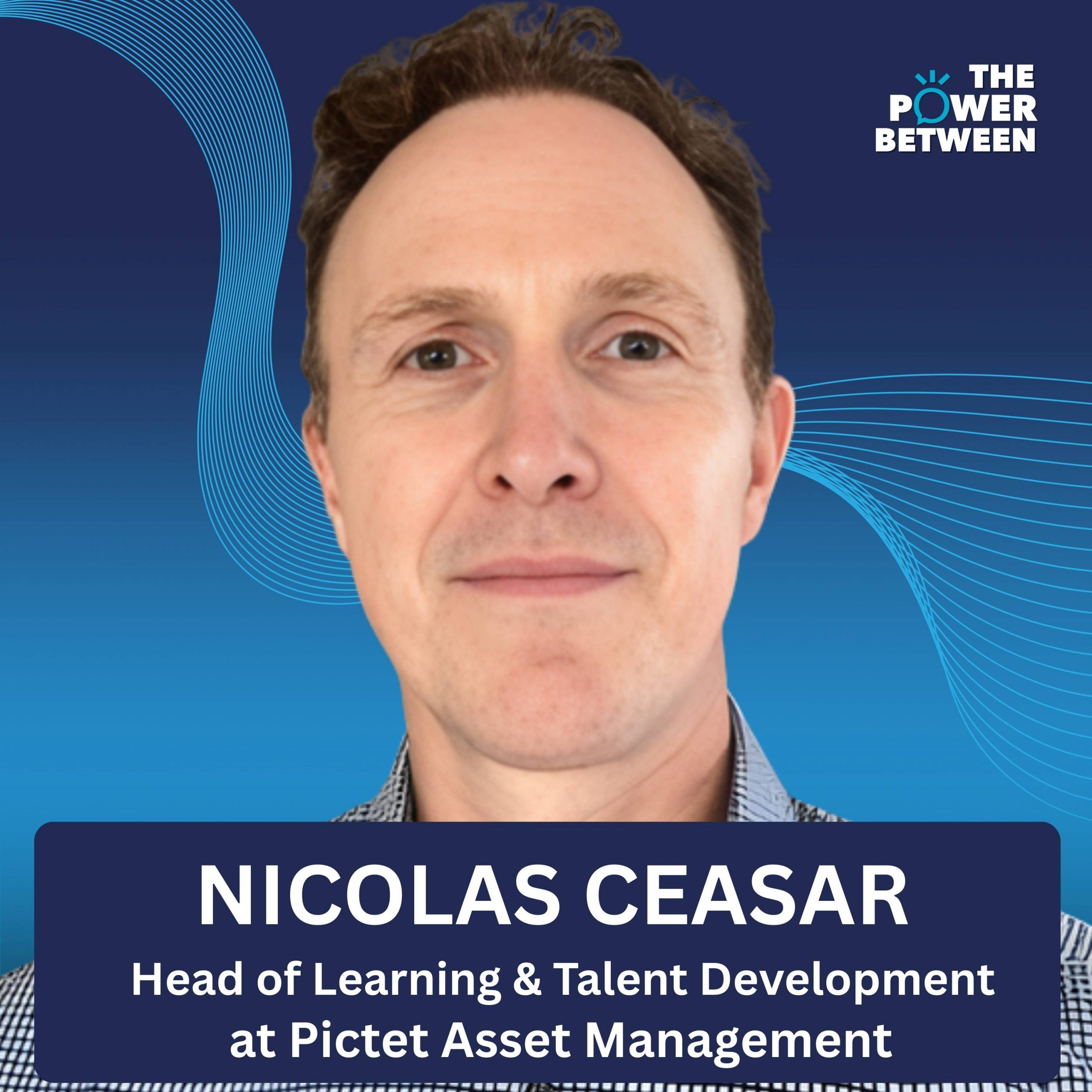
The ideas in this article come from Nicolas Ceasar. He is the Head of Learning and Talent Development at Pictet Asset Management.
His path encompasses climate and sustainability work, consulting roles, leadership teaching, and senior positions at NatWest Group.
He later became Group Head of Leadership Development, Talent, and Coaching. He is also a Board Adviser at Ezra, a global coaching platform, and works as Executive Education Committee Member at IMD, the Corporate Research Forum, and On Purpose. His work stands out because he blends deep experience with a strong focus on people and Purpose.
In this article, we look at how careers really form, why team habits matter so much, and how coaching and AI support daily learning. We also explore the value of reflection, the role of followership, and the simple tools that help people grow in busy workplaces.
A career rarely moves in one clean direction. It shifts as you try new things, learn what you enjoy, and notice what you’re good at. Most people only understand their path when they look back, and that’s completely normal.
Many careers begin in a field that feels meaningful and fulfilling. That first step shapes your early skills and your sense of Purpose. As you work, new strengths show up.
Maybe you think well under pressure. Maybe you can explain ideas clearly. Maybe you enjoy helping people learn. These small signals guide your next moves, even if you don’t notice them right away.

Image Credits: Photo by Los Muertos Crew on Pexels
Three things usually shape the path forward:
When these three line up, the next step feels obvious. You take roles that match who you are, not who you think you’re supposed to be.
Sometimes that means moving toward teaching or coaching. Sometimes it means shifting into leadership work. It often feels like a small move, but it builds momentum over time.
Every organization sets the stage differently. Some hire senior experts and let people shape their own space. Others build clear career paths and use talent tools to show options.
And some sit in the middle, where choice exists but isn’t always simple to see. Understanding the system you’re in helps you make smarter decisions.
People often think they must switch jobs to advance their careers. They overlook the freedom to shape their work within their current role. They also forget to protect the parts of their job that bring them joy. When those parts fade, frustration grows fast.
A career makes sense in hindsight. It forms through many small choices that draw you toward work that aligns with your strengths and values. And that’s what creates a path that actually feels right.
Organizations often hold back from real career conversations because they worry people will rethink their role and leave. That fear usually creates a tougher problem.
People stay, but they feel stuck and frustrated. Career education is beneficial because it illustrates the progression of careers and provides individuals with a clearer sense of choice. It also builds confidence in a world where work is constantly evolving.
Image Credits: Photo by RDNE Stock project on Pexels
The midyear meeting is still the main space for career talk in many companies, but it rarely works. The employee wants a promotion.
The manager can’t give one. The discussion becomes tense and concludes with no progress. This happens because the focus sits on titles, not growth.
A better way hands more ownership to the individual. The manager supports by giving honest feedback and helping them test small ideas through short, simple career experiments.
These experiments matter because job descriptions often become outdated quickly and fail to fully represent an individual’s capabilities.
Many people think growth means leading a team. That idea pushes strong experts into roles they don’t enjoy. Some people create more value when they stay close to the work they love. For them, managing others pulls them away from their best skills.
Two questions help shift the thinking:
If both answers indicate deep expertise, then that path deserves respect and a fair reward.
Most real performance issues start with teams, not individuals. Teams form quickly, especially during times of change, and each new mix brings friction. Without support, teams take a long time to settle.
Team literacy helps people understand the type of team they’re in and how to contribute effectively. Moreover, a clear Purpose and simple shared habits act like the glue that keeps teams steady.
When organizations treat teams as the core unit of work, everything functions with less stress and much better results.
Organizations spend a lot of time discussing leadership, but they rarely teach people how to be effective team members. Followership gets almost no attention, even though it shapes team performance just as much.
A good team member doesn’t just agree; they also take action. They speak up, support the group, and challenge ideas fairly and constructively. This matters because every leader also sits inside another team.

Image Credits: Photo by Pavel Danilyuk on Pexels
Individual coaching has become common, but team coaching still feels underdeveloped. Many teams form quickly after restructures or shifts in priorities, and that creates stress. A shared approach helps everyone get aligned faster.
Two gaps show up again and again:
When teams set these basics early, they move with much more clarity.
Digital coaching platforms give organizations a practical way to build new habits at scale. The setup is simple. A leader chooses a behavior to strengthen, picks a few goals, and starts coaching through an app.
The support fits naturally into daily work, rather than being outside of it. HR teams can see progress and understand which behaviors are taking hold. The strength of this model lies in its ease. People can test ideas, adjust fast, and keep learning without long delays.
AI coaching now gives managers fast support whenever they need it. People often use it for short tasks:
Some AI systems even follow up and ask how things went, which adds a sense of accountability. However, AI struggles to create deeper reflection or the kind of discomfort that leads to real change.
That space still belongs to human coaches. AI helps with speed. Humans help with depth. When both work together, people get stronger support and grow with more confidence.
Many organizations still struggle to give people time to reflect. Middle managers feel this the most because their days are filled with tasks that can’t wait.
Senior leaders can often block out time because of their role. People in the middle can’t do that as easily, and that gap slows learning and long-term thinking.

Image Credits: Photo by Pavel Danilyuk on Pexels
People switch between two ways of thinking:
Both matter. However, many people stay in a state of finding out because the pace is high. When that happens, deeper thinking drops, and teams lose clarity.
Long courses didn’t solve this problem because the busiest people couldn’t participate. So organizations ended up helping the people who needed it the least.
The fix is often simpler than it looks. Focus on learning skills that managers use every day. Move less frequent tasks into short guides or checklists. This cuts noise and gives them space to breathe.
Short sessions help too. A weekly open slot creates a habit without pressure. People come with real issues, and the group finds answers together. Over time, this steady space becomes part of how the team works.
Teams grow faster when they learn as a group. When everyone agrees on how to use a skill, it sticks. The manager doesn’t carry the load alone. The team supports one another and keeps progress moving forward.
Feedback sits at the heart of real growth. The strongest gains come when people ask for it. A simple line like “Can I get a couple of pointers?” sounds light but opens real insight.
Teams that do this fix issues earlier and improve faster. With small learning spaces, clear tools, and shared team habits, managers get room to reflect and develop even when the pace stays high.
A career grows through steady choices, honest reflection, and the support people get from their teams. When we understand how we work and what helps us learn, we feel more in control of our learning. The same is true for teams.
They move with greater ease when they share simple habits and discuss openly what is working. You can sense the lift in the room when things feel clear, and people help each other without drama.
Modern tools add useful support. Coaching apps give quick guidance, and AI helps with fast tasks. Human coaches bring depth and encourage people to think more critically.
When these pieces work together, learning feels seamless and integrates smoothly into daily work. It also gives people confidence to try new things without feeling lost or alone. That said, the most important progress still comes from the small steps people take every day.
Strong feedback habits make the biggest difference. When people ask for advice instead of waiting for formal reviews, the team addresses issues early and continues to improve.
This builds trust, and trust makes hard work lighter. It also strengthens Career Development because people understand their strengths and act on them with more clarity.
Growth doesn’t need long courses or perfect plans. It requires space to think, simple tools, and a team that supports one another. When those pieces come together, people feel more purpose in their work, and organizations gain teams that learn fast and work with steady focus.
Curiosity keeps you open to new ideas and fresh paths. It helps you notice small clues about what you enjoy. When you stay curious, you learn more quickly and make better decisions about your next steps.
Simple habits work best. Ask for advice often, reflect for a few minutes each day, and track small wins. These habits keep your growth steady even during busy weeks.
You can learn in short bursts. Use quick checklists, brief coaching talks, or one small goal each week. This keeps growth alive without adding stress.
It gives structure and hope. When people understand their strengths, they see new options. Small experiments then help them test ideas without huge risk.
Feedback shows what’s working and what needs attention. It reduces blind spots and sharpens your skills. Asking for feedback also builds trust with your team.
Leader Prompts - enable your leaders with these 50 practical and straight-forward mini-guides to handling common management challenges.
For the less than the price of a coffee a week you can read over 650 summaries of research that cost universities over $1 billion to produce.
Use our Ideas to:
Speak to us on how else you can leverage this content to benefit your organization. info@ideasforleaders.com