


TPB – Simon Reber: Why Are Companies Turning Toward Human-Centered Leadership Today
The world of work is changing fast, as are the expectations from leaders. People today want more than direction. They want trust, purpose, and a sense that their work matters.
Many companies talk about culture, but few truly live it. In the energy sector, where results often take the spotlight, one company stands out for putting people first.
Alpiq, a leading Swiss electricity provider across Europe, believes that strong business results come from a strong human connection.
That belief sits at the heart of its leadership style and daily decisions. This shift toward care, courage, and collaboration defines what many now call Human-Centered Leadership.
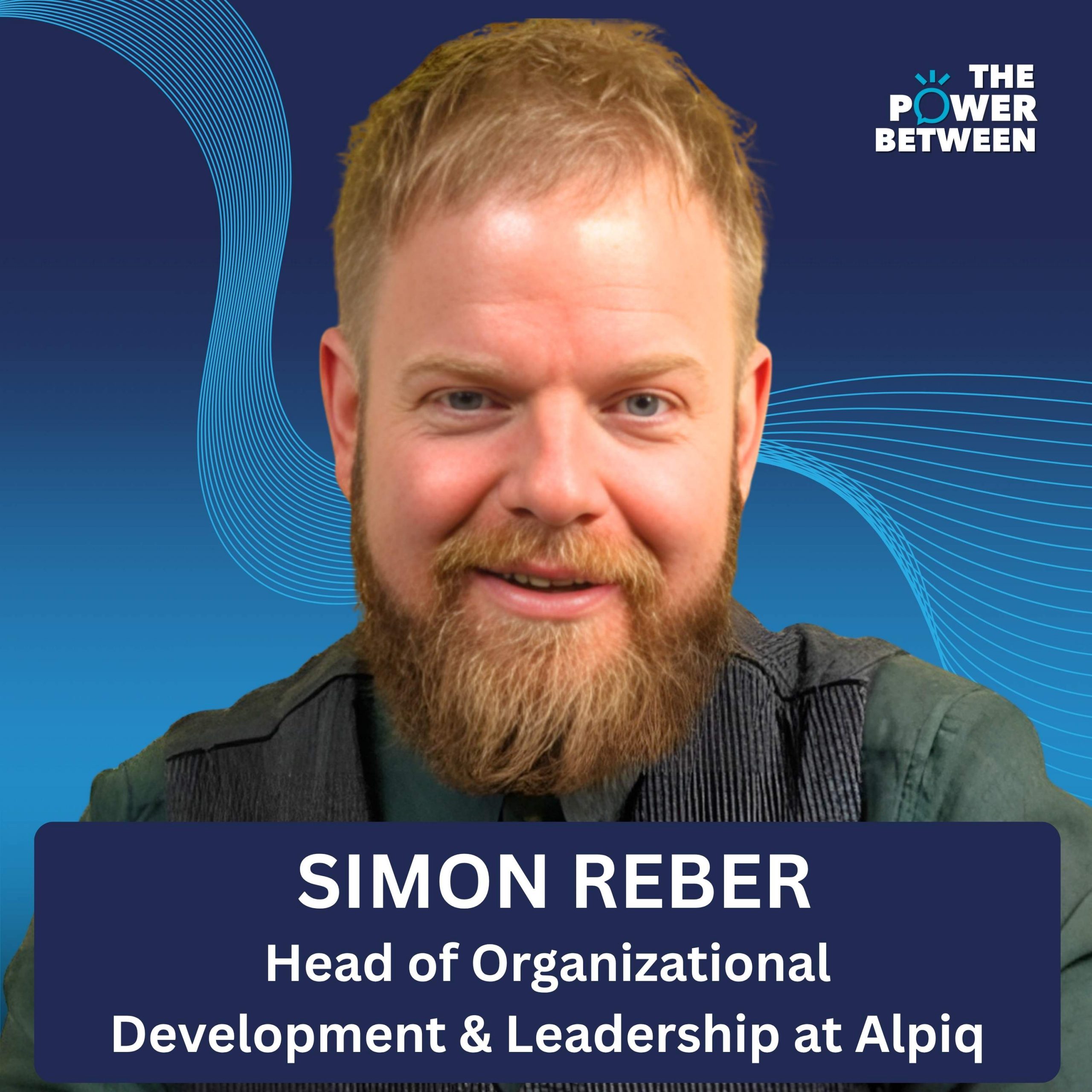
Behind this approach is Simon Reber, Head of Organizational Development and Leadership at Alpiq. He leads the company’s work in building a culture that values empathy, openness, and trust as much as performance.
Simon’s path to leadership is anything but typical. He grew up in the Bahamas, trained as a classical pianist, and studied American literature before entering the energy business.
His diverse journey shapes how he leads and helps others grow. At Alpiq, he’s known for bringing the “Care-Dare-Share” philosophy to life, a model that encourages leaders to care deeply, act boldly, and share openly.
In this article, we’ll learn how Simon and his team built Alpiq’s leadership culture from the inside out. We’ll explore how they turned values into action, made coaching part of daily work, and proved that leadership built on trust and empathy can drive people and performance forward.
Alpiq is one of Switzerland’s leading electricity providers, operating across Europe in countries like Germany, Italy, and Spain. But what makes it stand out isn’t just energy production.
It’s the company’s strong belief that real success starts with people. Alpiq’s culture focuses on values, purpose, and how teams work daily.

Image Credits: Photo by Mikhail Nilov on Pexels
The company once had over 10,000 employees, but now runs with about 1,300. That change pushed leadership to think about what truly drives success.
They realized it’s not only about being big in the market. It’s about creating a workplace where people feel valued and trusted.
Their purpose, “Together for a better climate and improved security of supply,” guides every action. It’s not just words on paper. It’s something people live through their work, decisions, and teamwork.
Instead of imposing values from the top, Alpiq asked its people to help shape them. The executive board shared a draft, but employees were invited to question and improve it.
The final version came directly from them. That process built ownership, trust, and a real sense of belonging.
In 2022, Alpiq’s top 40 managers joined a leadership program at IMD Business School. They explored the “Secure Base Leadership” model, built on three principles:
At first, sharing this new approach with employees didn’t land well. It felt too abstract. So leaders decided to bring it alive from within.
Instead of hiring coaches, they became the coaches. That shift turned leadership into a shared practice, not a program.
By living its values and teaching from experience, Alpiq built a culture rooted in care, courage, and connection.
Alpiq grew its leadership culture from within instead of depending on outside consultants. When the Care-Dare-Share philosophy was introduced, nearly half of the top 40 executives volunteered to help drive it.
These leaders became coaching ambassadors, shaping how Alpiq develops and supports people across the company.

Image Credits: Photo by Antoni Shkraba Studio on Pexels
The ambassadors received short and focused coaching training to guide others effectively. They weren’t professional coaches but knew the company’s culture and understood its challenges. Using that understanding, they trained around 200 line managers.
This approach made a big difference. Employees saw their leaders practicing what they preached. It built trust because the change came from people they already respected. It also showed commitment.
Leaders didn’t wait for someone else to fix things; they took ownership. That authenticity made the Care-Dare-Share approach feel real and relevant.
The new mindset required a big shift in how leaders thought and acted. They moved from giving orders to creating space for others.
They started listening more and letting ideas flow freely. It wasn’t simple. Many had to unlearn old habits and replace them with openness, empathy, and reflection.
At first, the workshops felt tense. Managers weren’t sure what to expect. But as they got familiar with the ideas, things changed. People began opening up, sharing thoughts, and building stronger connections.
Now, Alpiq’s leadership programs focus on personal reflection rather than theory. The aim is simple: leaders who care deeply, act bravely, and share openly. That shift continues to strengthen the company from the inside out.
Alpiq’s Care-Dare-Share philosophy guides daily work and decisions. It’s the environment people operate in. The aim is clear.
Keep this culture active in routines, choices, and everyday talk. People feel it in meetings, feedback, and how teams solve problems.

Image Credits: Photo by Tima Miroshnichenko on Pexels
Leadership at Alpiq goes beyond titles. The company develops both managers and experts. This mix spreads shared responsibility and trust.
People who influence through skill lead as much as people with roles. That balance keeps teams steady and open. It also speeds up learning across units.
To keep the system real, Alpiq built internal coaching. A group of senior employees trained as professional coaches now supports others across the company.
Their focus is on:
These coaches hold honest, focused sessions. People set clear goals, review progress, and commit to actions. The tone is practical and supportive. Results follow effort and follow-through.
Alpiq tied coaching to performance. Reviews now happen in ongoing talks, not once a year. Managers and employees set goals together and check progress regularly. They adjust plans when facts change. This rhythm builds ownership and cuts surprises.
Culture needs clarity. The company introduced a Cultural Alignment Process that outlines:
People know what good looks like. They also know what crosses the line. The how matters as much as the what.
Engagement and trust scores have risen since 2022. Alpiq also earned Great Place to Work certification. The strongest proof is simple language. People now use “care,” “dare,” and “share” without prompting. That shows the culture isn’t preached. It’s practiced.
Alpiq’s Care-Dare-Share approach isn’t a short project. It’s part of how people think, lead, and work daily. The company’s results show it works.
Higher engagement, a Great Place to Work award, and record financial performance in 2023 and 2024 all point to one truth: when people feel valued, they perform better.

Image Credits: Photo by Yan Krukau on Pexels
Alpiq continues to grow its internal coaching system to keep this culture strong.
These ambassadors meet monthly to exchange ideas, learn new techniques, and strengthen their coaching skills.
They focus on listening, presence, and empathy, skills that shape daily interactions. This keeps the culture alive in places where formal training can’t always reach.
Training never stops at Alpiq. Coaching is now part of onboarding for all employees, not just managers.
The company also adds small mindfulness habits, like short breathing exercises at the start of meetings. These help people slow down, notice how they feel, and refocus before jumping into discussions.
Alpiq believes leadership can’t be delegated. It’s part of the job. Managers are expected to make space for coaching, reflect with their teams, and use meetings for real conversations, not just checklists.
Growth at Alpiq isn’t tied to managing people. Employees can grow as leaders or experts, both equally valued. This keeps motivation high and shows that expertise matters as much as leadership.
Alpiq proves that leadership isn’t just about titles or power. It’s about people. The company shows how care, courage, and openness can shape a workplace where everyone feels valued. Leaders don’t just talk about change.
They live it, teach it, and help others grow through it. Coaching isn’t a one-time event anymore. It’s part of daily work, meetings, and decisions. People listen more, share ideas, and speak honestly without fear. That creates trust. And trust builds better teams.
Human-Centered Leadership at Alpiq isn’t a slogan. It’s how things get done. Managers support, guide, and challenge their teams to do their best. Employees respond with ownership and pride. The results speak for themselves: higher engagement, stronger teamwork, and consistent performance.
It’s simple but powerful. When people feel seen, they give their best. When leaders act with empathy and courage, everyone wins. Alpiq’s story is proof that the right culture doesn’t need force. It needs people who care enough to lead the right way.
It means leading with people in mind first. Leaders focus on empathy, trust, and growth instead of control and authority. It’s about creating a workplace where people feel valued, safe, and inspired to do their best.
Workplaces are changing fast. People expect leaders who listen, care, and build trust. When leaders focus on people, engagement rises, teamwork improves, and performance grows naturally.
It helps people feel heard and respected. Employees who care and act fairly give their best effort when they see leaders who care and act fairly. Motivation comes from being valued, not pressured.
Yes. It helps leaders balance speed with empathy. Even in high-pressure environments, listening and trust make decisions faster and communication clearer.
Traditional leadership focuses on authority and results. Human-Centered Leadership balances results with relationships. It values both performance and people equally.
Leader Prompts - enable your leaders with these 50 practical and straight-forward mini-guides to handling common management challenges.
For the less than the price of a coffee a week you can read over 650 summaries of research that cost universities over $1 billion to produce.
Use our Ideas to:
Speak to us on how else you can leverage this content to benefit your organization. info@ideasforleaders.com